Category: Heat saving
Green Homes: How Energy-Saving Technologies Are Changing the Future

Green Homes: How Energy-Saving Technologies Are Changing the Future

Energy prices are rising, and heating bills are rising every year. Many homeowners are looking for ways to reduce costs and make their homes more comfortable. The green home concept is becoming more than just a trendy idea, but a way to manage budgets and protect the environment. This isn't a distant future, but a reality that's already within reach.
How to insulate a balcony: ideas and solutions in Ukraine 2026

How to insulate a balcony: ideas and solutions in Ukraine 2026

Many Ukrainians are accustomed to using their balconies as storage areas for unwanted items. In winter, this area becomes a source of cold, drafts, and dampness, which penetrate into the apartment. Condensation on the glass and mold in the corners are common occurrences in uninsulated buildings. However, this is changing. Today, the question of how to insulate a balcony is becoming more than just a desire to improve comfort; it's a necessity.
Insulating a House Foundation: A Comprehensive Approach to Protection and Energy Efficiency

Insulating a House Foundation: A Comprehensive Approach to Protection and Energy Efficiency

The foundation is the basic element of any structure, bearing the main load and ensuring its stability. However, many homeowners, while paying close attention to insulating walls, roofs, and installing energy-efficient windows, often underestimate the importance of thermal insulation.
Mistakes when insulating a house in Ukraine in 2026: How to avoid them

Mistakes when insulating a house in Ukraine in 2026: How to avoid them

Gas and electricity prices are rising in Ukraine. Many families are spending huge amounts of money on heating their homes. But what if you insulate your building properly? This can save up to 40% on heat. But insulation mistakes remain common. Even with new technologies, people miss key points.
What is a Home Thermal Inspection: A Complete Guide to Finding Heat Leaks and Saving Energy

What is a Home Thermal Inspection: A Complete Guide to Finding Heat Leaks and Saving Energy

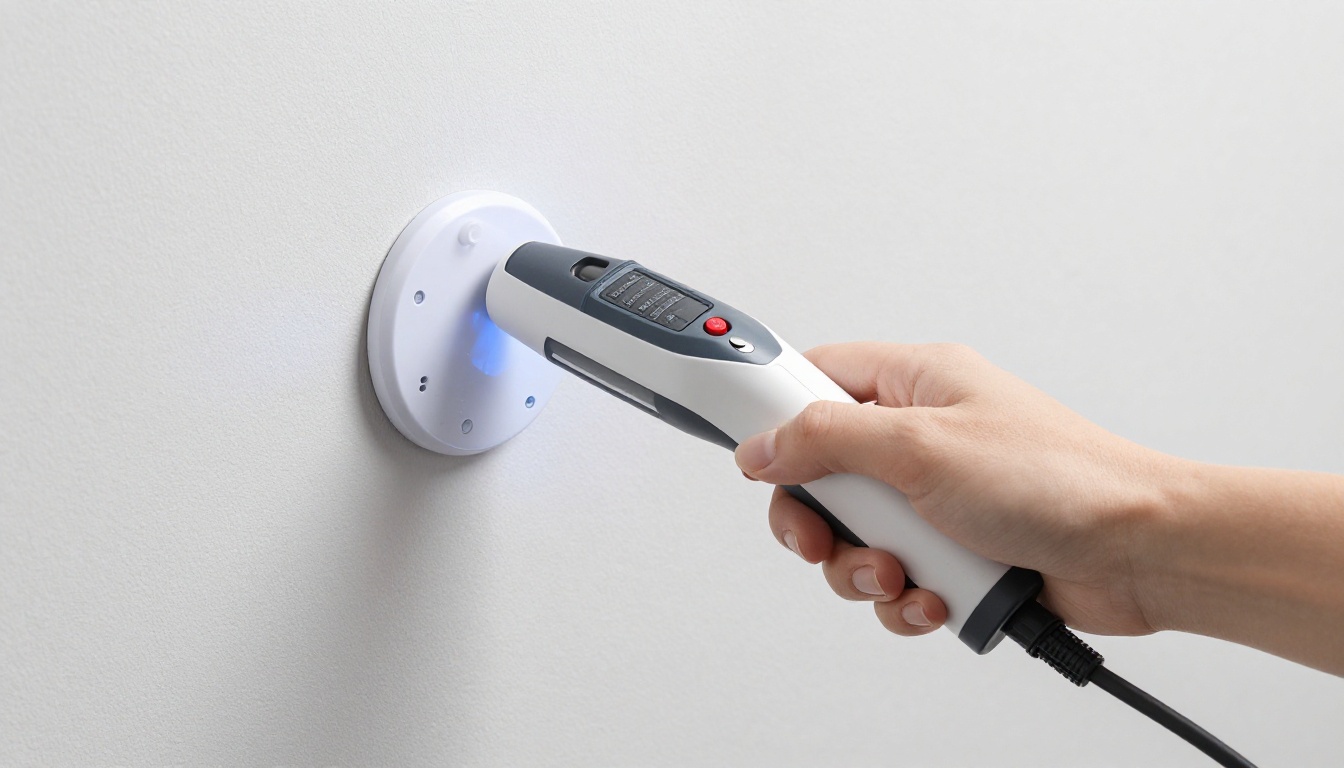
Have you noticed your heating bills suddenly skyrocketing? Or are you feeling a cold draft in the corner of your room, even though your windows are new? These problems often hide in plain sight. A home thermal imaging survey, or thermography, helps you spot them. This method uses a special device to record heat and display it in colors on a screen. The main goal is to find areas where heat is wasted.
Ventilation and heat in an apartment: how to find the perfect balance for a healthy microclimate

Ventilation and heat in an apartment: how to find the perfect balance for a healthy microclimate

In winter, you close every crack in your apartment to keep it warm. But the air inside becomes stale, leading to dampness and health problems. How can you maintain a cozy atmosphere while still breathing fresh air?
Facade Insulation: Foam or Mineral Wool? A Complete Material Comparison

Facade Insulation: Foam or Mineral Wool? A Complete Material Comparison

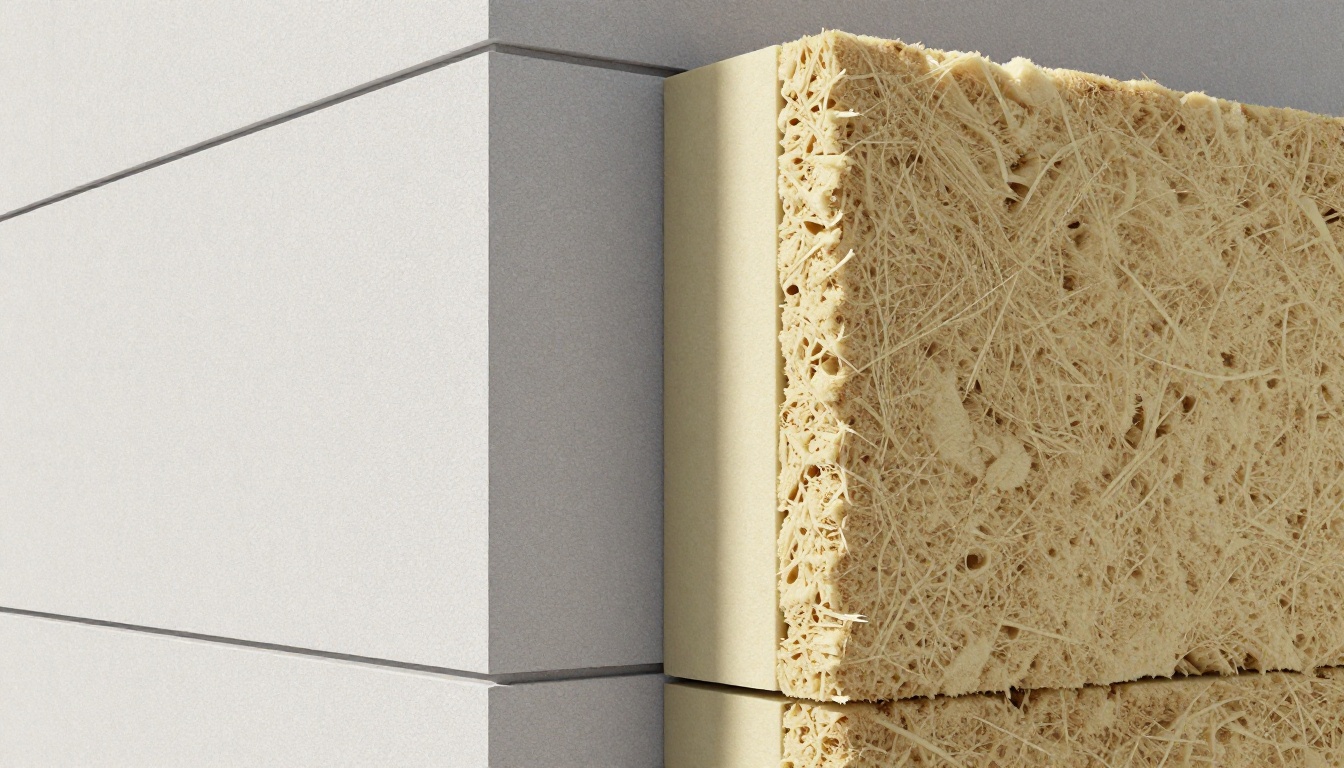
Are you spending a fortune on heating in the winter, but your home is stuffy in the summer? This is a familiar problem for many homeowners. Insulating the façade helps you save on utilities and live comfortably year-round.
Underfloor Heating: A Complete Overview of Systems, Types, and Professional Installation

Underfloor Heating: A Complete Overview of Systems, Types, and Professional Installation

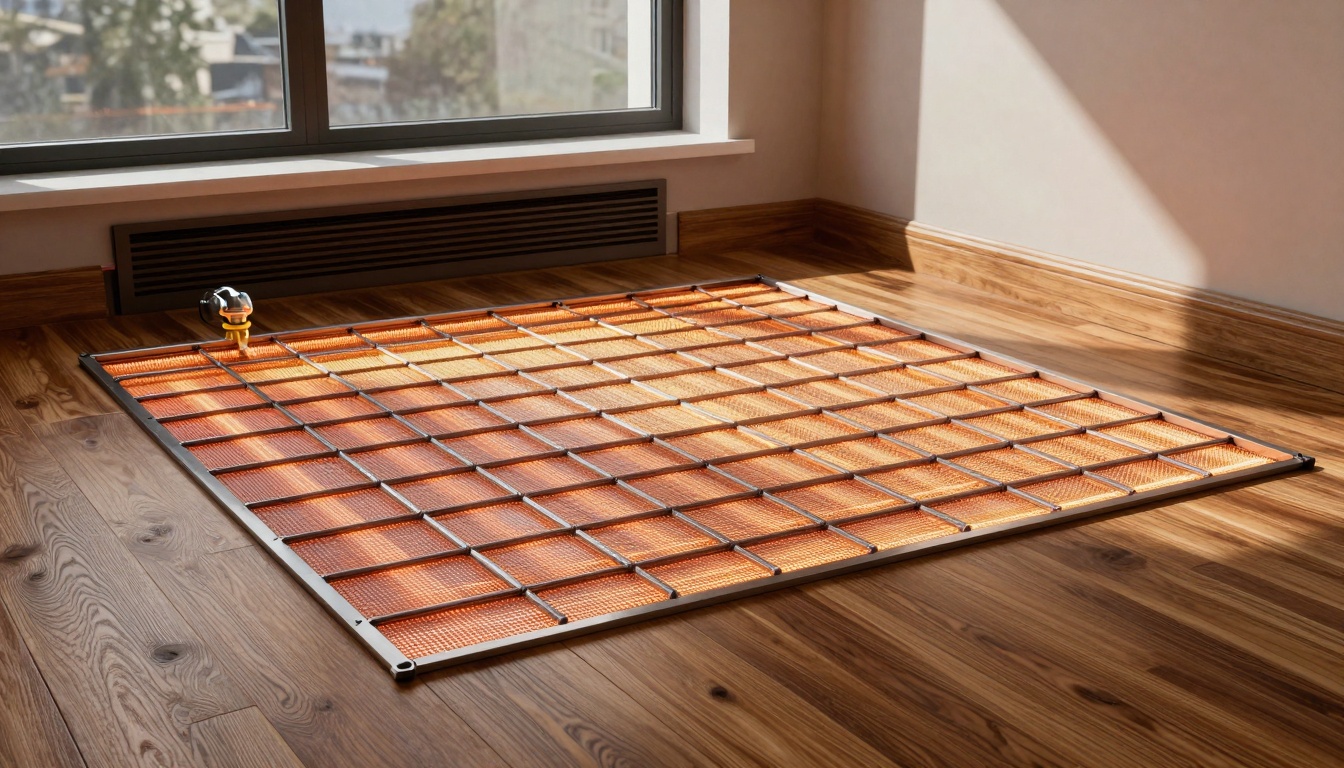
Imagine waking up on a winter morning to a warm floor beneath your feet. No cold tiles or drafts. Demand for underfloor heating is growing rapidly. People see it as a replacement for old radiators. It's not just warmth, but uniform comfort from radiation. The temperature is distributed evenly, without fluctuations. You feel cozy from the very bottom of the room.
How to Reduce Your Apartment Heating Bills by 30%: A Revolutionary Savings Guide

How to Reduce Your Apartment Heating Bills by 30%: A Revolutionary Savings Guide

In Ukraine, the average family spends up to 20% of their monthly heating budget in winter. In older homes, up to 40% of heat is lost through cracks and crevices. This article will show you how to reduce your apartment heating bills by 30% without losing heat in your rooms.
Secrets to Keeping Your Apartment Warm: A Complete Guide to Energy Efficiency

Secrets to Keeping Your Apartment Warm: A Complete Guide to Energy Efficiency

In winter, heating bills are a huge burden. Many apartment dwellers feel cold even when the radiators are hot. The problem is heat leakage through windows, walls, and cracks.
Energy-efficient windows: is it worth replacing old ones with new ones?

Energy-efficient windows: is it worth replacing old ones with new ones?

Are you freezing in the winter and sweltering in the summer? Chances are, it's your windows. Drafts and ever-increasing heating and air conditioning bills are common problems for many homeowners. The good news: there's a solution that promises to make your home cozier and your wallet fuller.
Comparing Insulation Materials: What to Choose for Your Home in 2025

Comparing Insulation Materials: What to Choose for Your Home in 2025

Today, thermal insulation is the foundation of home comfort. It helps significantly reduce heating bills. High-quality insulation extends the lifespan of a building. With energy prices rising, choosing the right insulation is more important than ever. Environmental awareness also drives better solutions.
How to insulate an old house: simple steps. Warmth inside, joy all year round.

How to insulate an old house: simple steps. Warmth inside, joy all year round.

Is your old home too cold? Are you constantly experiencing drafts, and are your heating bills terrifying? This is a common problem for many older buildings. But don't despair: even a very old home can be made cozy and warm. Imagine forgetting about unnecessary expenses and enjoying the comfort.
What is home insulation: comfort, savings, durability

What is home insulation: comfort, savings, durability

When we talk about home insulation, we're talking about a process that helps reduce heat transfer. This is important to prevent heat from escaping your home in the winter. Conversely, in the summer, insulation prevents heat from penetrating. Imagine your home as a thermos. A good thermos keeps your tea hot, right? The same is true for your home: high-quality insulation maintains the desired temperature inside.

Heat conservation: saving on heating and increasing comfort

A warm home not only brings comfort but also saves money. Good insulation helps reduce heating bills. Let's learn what heat conservation is and how to make your home warmer.

The Importance of Home Insulation

Heat loss affects your wallet. Up to 30% of heat can escape through the walls, and another 20% through the roof. Living comfort also suffers if there are drafts in the home. Heat conservation is an investment in your future.

Heat Conservation Principles

Heat wants to escape, especially in winter. Heat loss through windows, doors, and walls leads to high bills. Proper insulation keeps the heat in. This means you spend less on heating.

Modern Insulation Materials

Today, there are many insulation materials available. Mineral wool breathes well. Expanded polystyrene (EPS) and extruded polystyrene (XPS) are very effective. Ecowool and foam glass are also popular. Choose based on thermal conductivity, vapor permeability, and fire safety.

Heat Conservation Standards

The government sets strict building regulations. These standards govern how well a home should retain heat. It's important to follow these requirements. This ensures your home is energy efficient.

Thermal Insulation Technologies

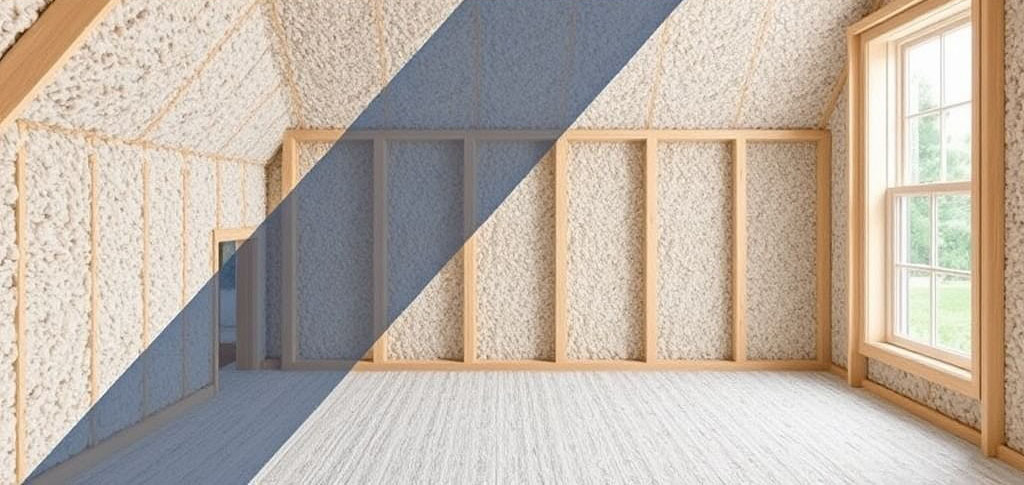
There are various ways to insulate a house. The key is to create a continuous thermal envelope. It's like a blanket that covers your home from all sides.

Wall Insulation: External and Internal

Walls are insulated from the outside; this is the best method. There is also a "wet facade" method, where the insulation is covered with plaster. Or a "ventilated facade," with an air gap. Internal insulation is also possible, but has its own characteristics. Each method has its pros and cons.

Roof and Attic Insulation

The roof is a major source of heat loss. Insulating the roof or attic creates a continuous insulating layer. This helps prevent heat loss through the top of the house. Attic floors require special attention to insulation.

Floor and Foundation Insulation

The floor and foundation also need protection. Insulating the floor prevents cold from the ground. It also helps prevent the foundation itself from freezing. This prevents heat loss through the foundation of the house.

Energy-Efficient Solutions

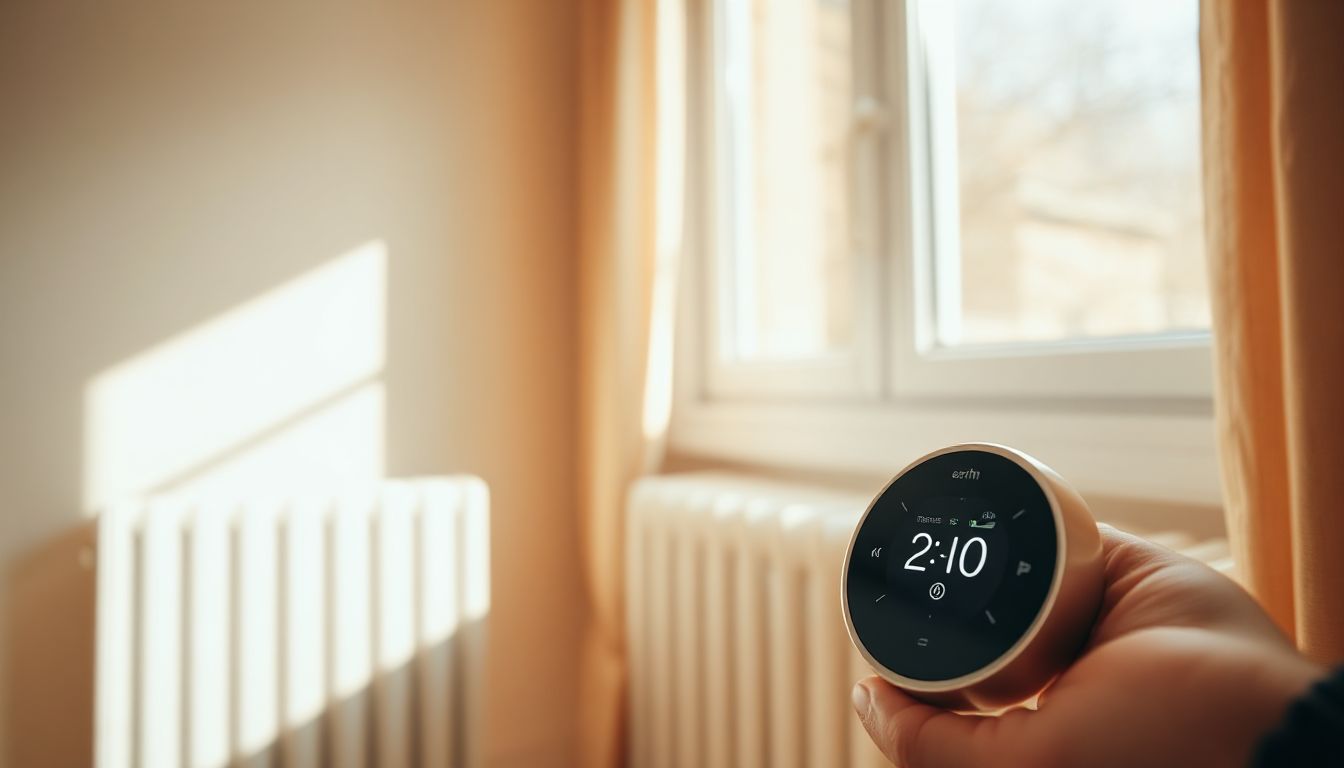
Besides insulation, there are other ways to make your home warmer and more energy-efficient. Modern technology helps us achieve this. These are smart devices and new approaches.

Modern Windows and Doors

Choose double-glazed windows with a special coating. It reflects heat back into the room. Energy-saving profiles for windows and doors are also very important. They reduce heat loss to a minimum.

Efficient Heating Systems

Old boilers can be inefficient. Condensing boilers use the heat of exhaust gases. Heat pumps extract energy from the environment. Infrared heaters heat objects, not the air. These systems are very energy-efficient.

Ventilation with Heat Recovery

Conventional ventilation releases heat outside. Heat recovery systems return some of this heat back into the room. This means you ventilate your home without losing valuable heat. Your ventilation system can save a lot of energy.