admin
2026-05-18 | 0 comments
Share this:
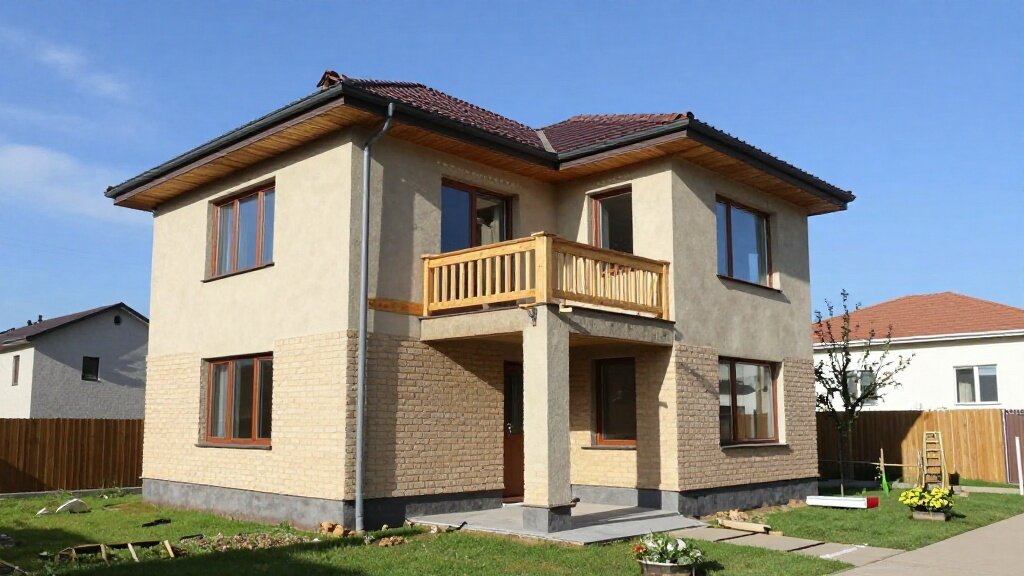
The foundation is a basic element of any structure, bearing the main load of the building and ensuring its stability. However, many homeowners, while paying close attention to insulating walls, roofs, and installing energy-efficient windows, often underestimate the importance of insulating the foundation of the house.
In our climate, where ground freezing and significant temperature fluctuations are the norm, proper foundation insulation is not just a desirable option, but a necessity.
The physics of the processes occurring in the ground and building structures is inexorable. The foundation, in direct contact with the ground, is exposed to low temperatures and moisture. The main problem lies not only in direct heat loss, which can lose up to 15-20% of the heat from a room, but also in the negative impact of frost heaving.
When wet soil freezes, it expands, creating colossal pressure on the side walls of the foundation. This leads to microcracks in the concrete, structural deformation, and, in severe cases, building distortion. Furthermore, the lack of insulation creates "cold bridges" at the foundation-wall junction, which contributes to condensation, mold growth, and the gradual deterioration of finishing materials within the basement or cellar.
When selecting thermal insulation for the basement of a building, it is important to consider its ability to resist compression and, crucially, near-zero water absorption. Regular polystyrene foam (expanded polystyrene) is not suitable for these purposes: it absorbs moisture, which over time destroys its structure during freeze-thaw cycles.
The gold standard for house foundation insulation today is extruded polystyrene foam (XPS). This material is characterized by high strength, low thermal conductivity, and almost complete resistance to moisture. Its closed cellular structure allows it to maintain its properties even in conditions of direct contact with groundwater and high soil pressure.
Foundation insulation technology is a multi-stage process that requires strict adherence to the sequence of works.
Before starting work, the foundation must be cleared of soil, old waterproofing, dust and dirt. The concrete surface must be dry and level. If there are significant irregularities or cracks in the foundation, they must be eliminated using repair mixtures to ensure a tight fit of the insulation.
Thermal insulation does not replace waterproofing. On the contrary, the first layer is always moisture protection. Typically, these are coating bitumen mastics or fused roll materials. High-quality waterproofing protects concrete from capillary moisture absorption, preventing corrosion of reinforcement within the foundation.
XPS boards are attached to the foundation using special adhesives that do not contain solvents that can damage polystyrene foam. It is important to use an adhesive specifically designed for use with XPS. In the lower part of the foundation, below the freezing level, the slabs are often fixed by the soil pressure itself after backfilling, but for reliability, disc dowels are used.
Note: it is important to avoid through holes for dowels in the area below the groundwater level, so as not to compromise the integrity of the waterproofing layer.
House insulation will only be effective when there is no excess water around the foundation. Installing drainage around the perimeter of the house allows for the removal of groundwater and rainwater, reducing the load on the waterproofing and the risk of soil heaving.
Foundation insulation would be incomplete without an insulated blind area. This is a horizontal layer of thermal insulation laid around the perimeter of the house at a depth of about 20-30 cm. The insulated blind area shifts the soil freezing line away from the foundation of the house, virtually eliminating the risk of frost heaving and additionally retaining heat inside the basement.
Investing in foundation insulation pays off in the long term in several ways:
Foundation insulation is a one-time investment for the entire life of the building. Mistakes made during construction (such as failure to insulate or using unsuitable materials) are extremely expensive and difficult to correct later, as they require extensive excavation work.
When designing a future home or renovating an existing one, it's important to pay close attention to foundation protection. Selecting high-quality materials, following proper installation techniques, and installing a drainage system together provide a reliable foundation for comfortable living, protecting your home from the vagaries of nature and ensuring stable energy efficiency for decades to come. Ultimately, a warm foundation is an invisible yet reliable foundation for your home's comfort.
Previous article
Who renovates a h\ouse? The profession of construction and finishing foreman or finisher in Ukraine in 2026
Next article
Hidden Costs When Buying a Home in Ukraine: What to Check Before Purchasing
Want to stay up-to-date on all the latest news in construction, design, renovation, and energy efficiency? Subscribe to the Kedr News Telegram channel.
 subscribe