admin
2026-03-30 | 0 comments
Share this:
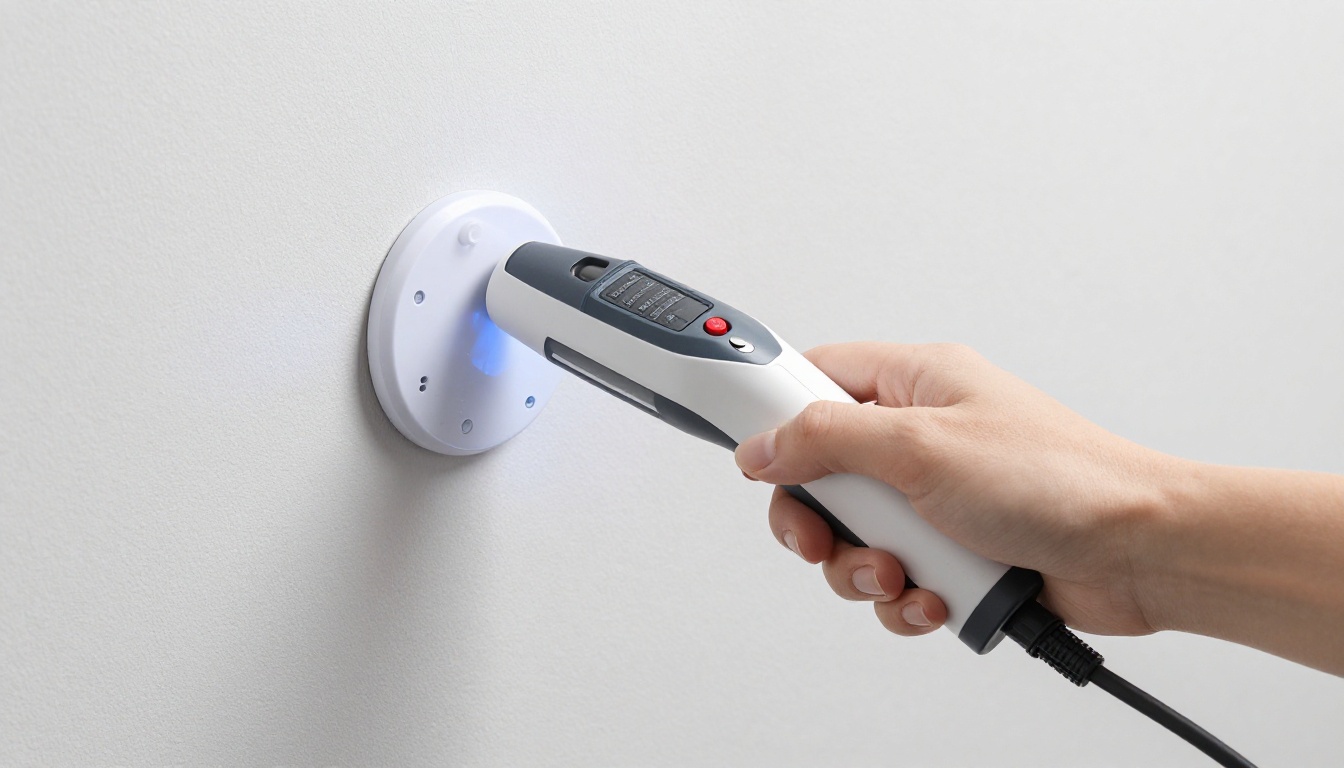
Have you noticed your heating bills suddenly jump? Or feel a cold draft in the corner of the room, even though your windows are new? Such problems are often hiding in plain sight. Thermal imaging inspection of houses, or thermography, helps you see them. This is a method where a special device records heat and displays it on a screen in colors. The main goal is to find places where heat is wasted.
Why is this important to you? You will save on energy, avoid damage to walls and roof. The house will become warmer and more comfortable. Many owners regret not having it checked earlier. Imagine how much money is wasted through cracks you didn't know about.
A thermal imager is like eyes that see heat. It captures infrared rays from surfaces. These rays are converted into an image on the screen. Colors show the difference in temperature. Blue or purple means cold. Red and orange are warm.
On the thermogram, you will see where the wall is colder than the rest. This is a signal of a leak. The device works quickly. It scans the room in minutes. There is no need to dismantle the walls.
Unlike a regular inspection, a thermal imaging inspection of a private house reveals the hidden. A visual inspection only sees the surface. A moisture meter detects water, but not heat. Thermography combines everything. It is more accurate. For example, in an old house, you will find a cold bridge behind the wallpaper. Traditional methods will miss this.
A thermal imager finds where air enters the house. Check window frames. Door gaps. Panel joints. Places where wires enter the wall. Cold streaks on the screen will indicate a leak.
Drafts steal heat. The room cools down by 2-3 degrees. You use more gas or electricity. In winter, bills increase by 20%. In summer, the air conditioner is wasted.
Here the device looks for weak spots in the insulation. Walls, roof, floor - it will check everything. If the mineral wool has sagged, it will show a cold spot. Has moisture damaged the insulation? A thermogram will highlight this.
Example: in a country house, the insulation in the attic has shifted. Heat escapes upward. You will lose up to 30% of your energy. Repairs will be cheaper if you catch it early.
After construction or renovation, a thermal imager will check everything. Was the insulation applied evenly? Is the vapor barrier holding? Is the heating installed correctly? The device will detect irregularities.
This is important right away. Defects increase over time. A new building with defects quickly loses heat. Check in the first year. Save on redoing.
A thermal imager catches water that is not visible. Is the roof leaking? Pipes under the floor? The surface will cool from evaporation. Or heat up from a leak.
Moisture leads to mold. Mildew is harmful to health. Walls rot. In a basement with water, the risk is higher. Find the source before disaster.
Are your radiators air-locked? A thermal imaging survey of heating networks will reveal cold zones. In a warm field, a broken pipe is a bright spot. Overheating in one place? It's immediately visible.
It's difficult to find a pipe under a screed. But the device localizes it accurately. Dig only the needed section. Save on repairs. Check the system in winter, when the temperature difference is large.
Overheating of wires is dangerous. Sockets glow red on the screen. A panel with a poor contact lights up. This is a sign of overload.
Fire risk is increasing. Defects are common in old wiring. A thermal imager will save you from disaster. Check before peak loads, like for New Year's.
A temperature difference is needed. The street is 7-10 degrees colder than the house. A frosty night is ideal. Maintain a temperature of +20°C at home.
Turn off heaters. Remove lamps and appliances. Allow access to the walls. Open cabinets. This will speed up the scanning.
Hire a certified specialist. He knows how to read thermograms. The thermal imager should have a high resolution. At least 320x240 pixels.
Expect before and after photos in the report. Thermograms with notes. Repair recommendations. Without this, the report is useless.
Look at large leaks first. A thermal bridge in the wall is a priority. Small cracks can wait. Fix according to the list.
Seal the windows with silicone. Add insulation to the roof. Call a plumber for pipes. Act quickly. Reduce your bills as early as next season.
A home thermal imaging inspection is a smart move. It finds heat leaks and hidden defects. You save energy. Reduce costs by 15-25%. Your home lasts longer. Its market value rises.
Have an inspection every 3-5 years. Especially after renovations. Don't wait for your bills to go up. Order a thermography today. Your home will thank you with warmth and comfort.
Previous article
Home Painting Secrets: A Beginner's Guide
Next article
How to Rent Out an Apartment in Ukraine and Generate a Stable Income: A Complete Guide for Owners
Want to stay up-to-date on all the latest news in construction, design, renovation, and energy efficiency? Subscribe to the Kedr News Telegram channel.
 subscribe