admin
2025-09-15 | 0 comments
Share this:
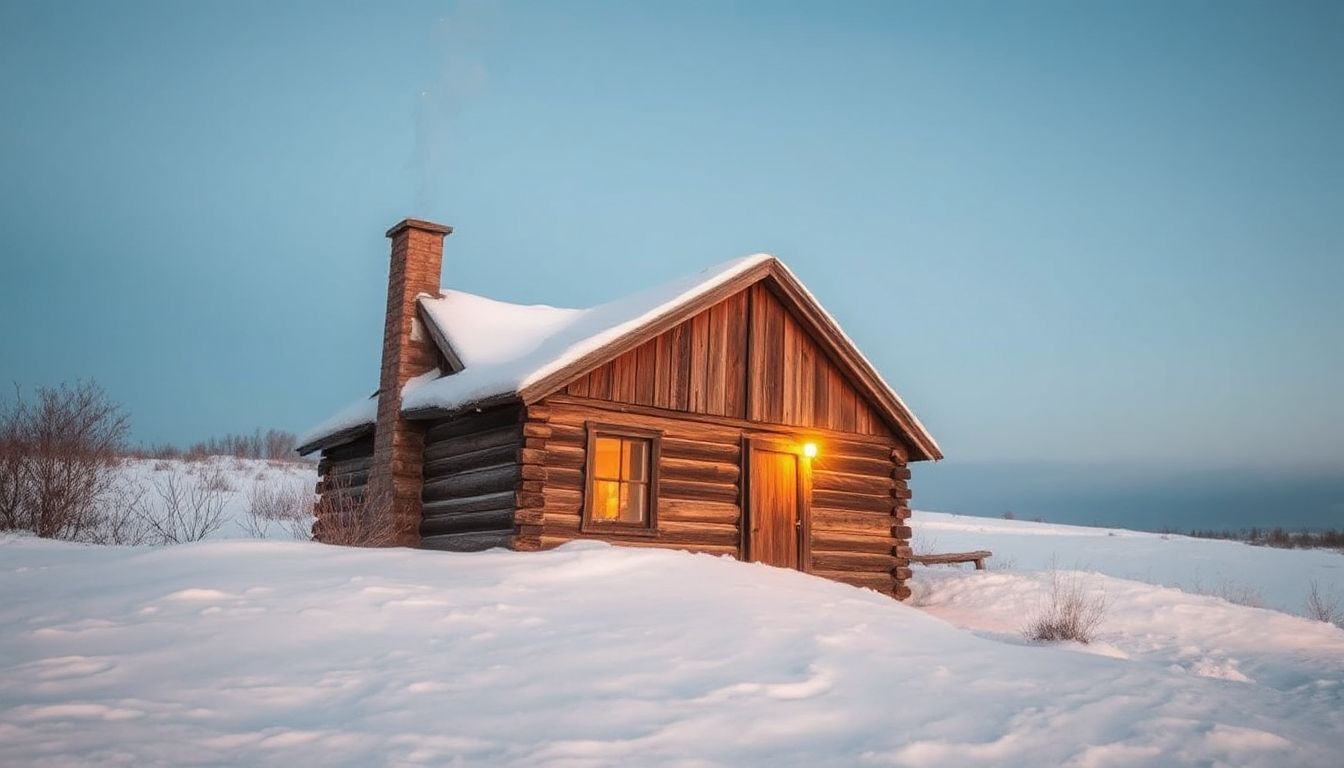
Has your old house become too cold? Do you constantly feel drafts, and are your heating bills simply terrifying? This is a common problem for many old buildings. But don’t despair: even a very old house can be made cozy and warm. Imagine forgetting about unnecessary expenses and enjoying comfort. How to insulate an old wooden house from the inside?
Insulation is not just about cutting costs. It is an investment in your health and peace of mind. Proper thermal insulation protects walls, floors, and roofs from damage. Many insulation jobs are also accessible to DIYers.
This article is your personal guide. We will tell you where to start and what to look for. You will learn about different insulation methods and will be able to choose the best option for insulating an old house. Let's make your home truly warm.
Before you start insulating, it is important to understand where the heat is escaping. You can't just stick insulation everywhere. A proper assessment is the first step to success.
Inspect your house carefully. Look for cracks in the walls, gaps around door and window openings. Place your hand on the ceiling, floor, and wall corners. Do you feel cold? These are "thermal bridges" - places through which heat leaves your home. Also, look for damp spots.
It is best to conduct such an inspection during the cold season. This way you will definitely feel drafts. Just walk around the house and mark the coldest areas.
A thermal imager is a great help. It will show all the hidden heat leaks on the screen. You will see cold spots that are invisible to the naked eye. Of course, not everyone has a thermal imager.
You can use simpler methods. Hold your hand near windows or doors. Light a candle and run it along the cracks. The smoke will show where the draft is. Or use an infrared thermometer. It measures the temperature of different surfaces. One family found a large heat leak through the roof thanks to a thermal imager. This saved them a lot of money on repairs.
Don't try to do everything at once. Insulate your house in stages. Start with the most problematic areas. Usually, this is the roof, the walls, and then the floor. Windows and doors are also very important.
Make a list of all the areas that require attention. Mark those where the cold is felt most strongly. This will help you set the right priorities.
Walls are the main source of heat loss. About 30-35% of heat can escape through them. Therefore, insulating them gives a noticeable result.
External insulation is the best option. You save space inside the house. In addition, load-bearing walls are better protected. Popular materials are mineral wool and expanded polystyrene.
There are two main approaches. "Wet facade" is when the insulation is attached to the wall, covered with plaster and paint. "Ventilated facade" - the insulation is covered with cladding material, leaving an air gap.
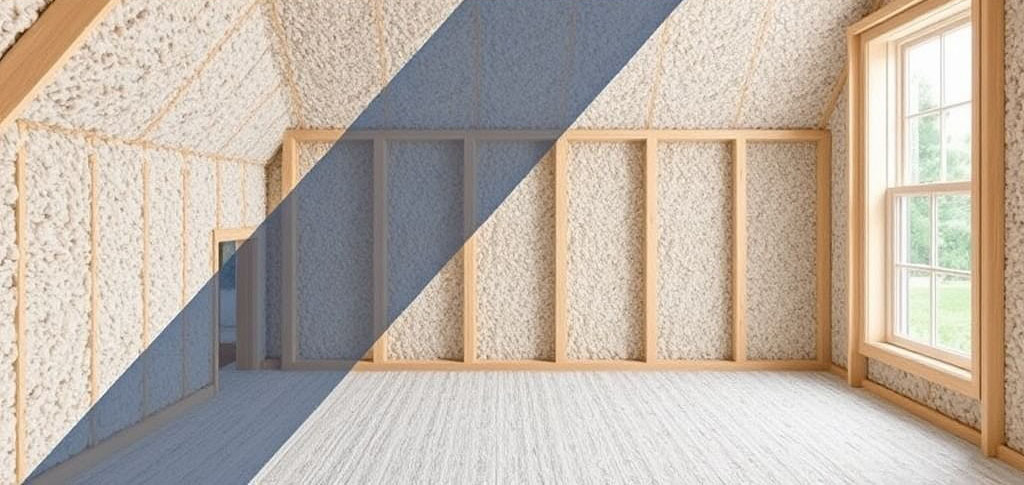
Sometimes it is impossible to change the exterior of the house. Then insulate from the inside. Mineral wool or extruded polystyrene foam is used. This helps reduce heat loss.
When insulating internally, a vapor barrier is very important. Experts say:
without a vapor barrier, you risk getting dampness inside the walls. This leads to mold. Use a special film.
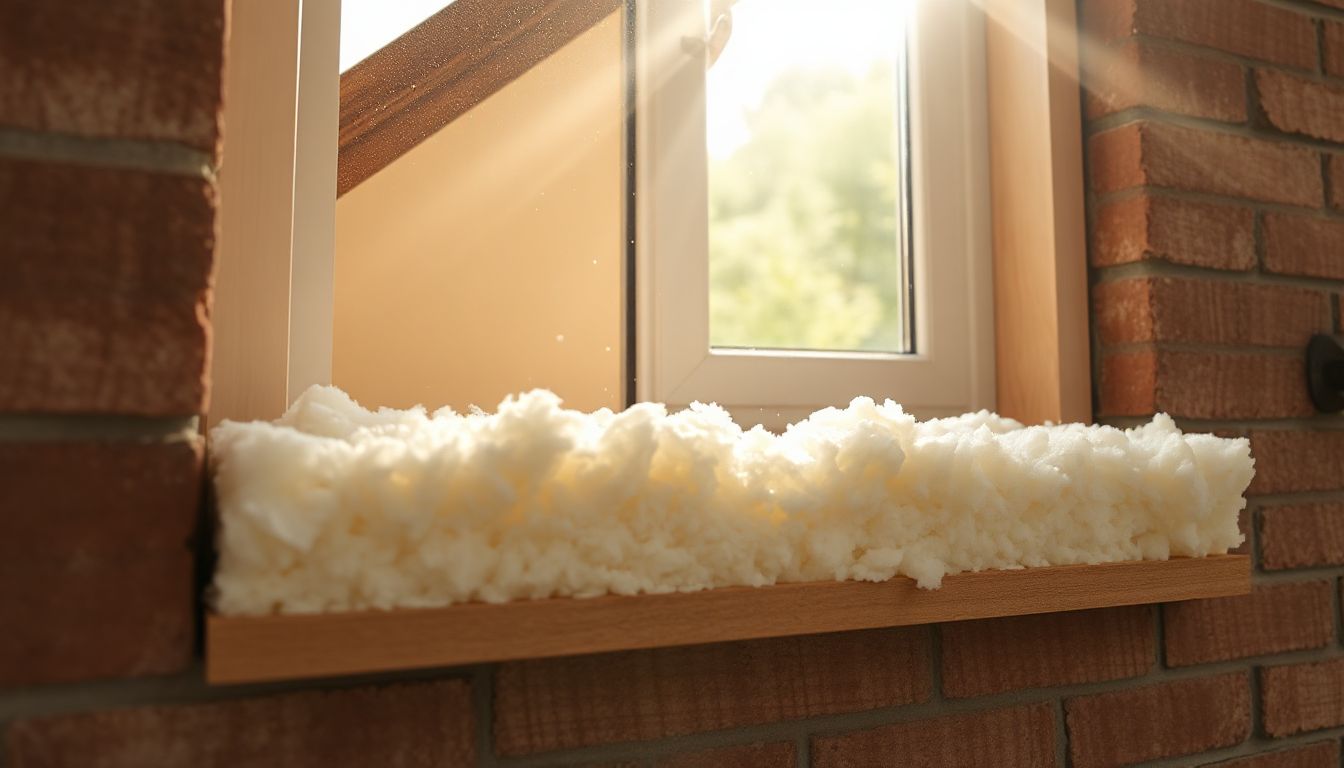
Some older houses have voids in the walls. They can be filled with insulation. For example, blow in ecowool or polyurethane foam. This is a quick and effective method. You do not have to dismantle the walls.
This method is excellent when external or internal insulation is not suitable. It gives a good effect.
How to insulate the roof of an old house? Up to 25% of heat escapes through the roof. Don't forget about this. Proper insulation of the attic or loft is very important.
The choice of material depends on the type of roof. Mineral wool or ecowool are suitable for a pitched roof. They are lightweight and fit well between the rafters. For a flat roof, foam plastic or polyurethane foam are often used. These materials are more rigid.
Each insulation has its own advantages. For example, mineral wool is non-flammable, and polyurethane foam fills all the cracks perfectly.
If you have a pitched roof, the work is carried out as follows. First, attach the vapor barrier film. Then lay the insulation between the rafters. Apply waterproofing on top to prevent moisture from getting in. Then make the counter-battens and sheathing.
It is important to calculate the insulation thickness correctly. It depends on your climate zone. It is usually more than 250-350 mm.
A cold attic is when you do not plan to use it as living space. Insulate the attic floor. You can lay the insulation on top, directly on the ceiling. Or insulate from below, making a suspended ceiling with insulation.
Don't forget about attic ventilation. This will help prevent condensation. Let the air circulate freely.
A cold floor is a huge discomfort. Insulating this part of the house will give you real comfort. It's not for nothing that they say that your feet should be warm.
If you have a joist floor with a crawl space, you can lay insulation between the joists. Mineral wool or expanded polystyrene are used. If the floor is a concrete screed, the insulation is placed underneath it. Expanded clay or expanded polystyrene are often used.
One owner of an old house insulated the floor of the first floor. He immediately noticed that the dampness was gone. The house became much warmer.
The lower part of the house also loses heat. Insulating the basement and foundation is an important step. This protects the house from freezing. Extruded polystyrene foam (EPS) is most often used for this. It is not afraid of moisture.
EPS boards are attached to the base with glue and dowels. Before this, do not forget about good waterproofing of the foundation. This will protect the insulation from moisture.
Even perfectly insulated walls will not help if there is a draft from windows and doors. Eliminating drafts is a quick victory over the cold.
Inspect the old windows and doors. Where are there cracks? Use polyurethane foam for large gaps. Small cracks can be sealed with sealants. Sealing tapes are excellent around frames and door frames.
Remember that sealing tapes come in different thicknesses. Choose the right one for each gap.
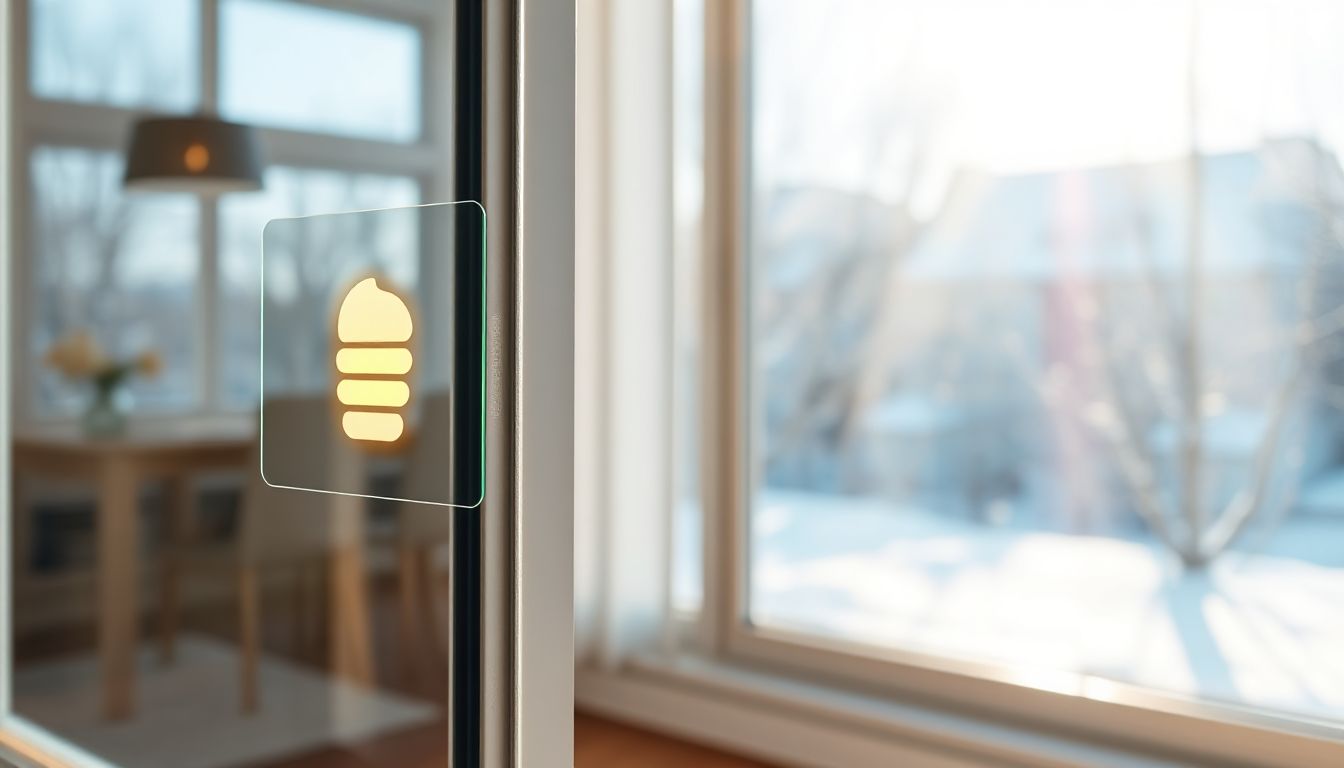
Sometimes old windows or doors are so worn that they are best replaced. Modern energy-efficient windows are a true miracle. Double-glazed windows with a low-e coating retain heat perfectly. New doors also have better home insulation.
This replacement can be expensive, but it pays for itself over time.
After insulation, the house becomes airtight. This is great for warmth, but requires attention to ventilation. Fresh air must come in.
If there is no ventilation in the house, the air will stagnate. This can lead to stuffiness and harmful fumes. Experts warn: without good ventilation, a musty odor and harmful substances will develop in an insulated house. Install a supply and exhaust ventilation system or at least ventilation valves on the windows.
This will ensure a constant flow of fresh air.
Condensation can appear in a sealed house. This is water that settles on cold surfaces. From here, mold is a short step. Use hygrometers to monitor humidity. If the air is too humid, turn on dehumidifiers.
Ventilate the rooms frequently. Even five minutes of open windows will help refresh the air. This is a simple and effective method.
Insulating an old house is more than just a renovation. It is an investment in your future. You not only get comfort and coziness, but also noticeable savings on heating. Your home will become a healthy and pleasant place.
Remember: start with an assessment. Then move on to the walls, roof, floor, and windows. Don't forget about ventilation. Every step is important for the overall result.
Even partial insulation will pay off. Don't delay. Start now. Make your old home a true fortress of warmth and comfort!
Previous article
Home Remodeling or "Rebooting": A Guide to Upgrading Your Home (Without a Nervous Breakdown!)
Next article
"Your Land Is Your Fortress": How to Build Your Dream Home in Ukraine
Want to stay up-to-date on all the latest news in construction, design, renovation, and energy efficiency? Subscribe to the Kedr News Telegram channel.
 subscribe