admin
2025-10-28 | 0 comments
Share this:
In winter, heating bills hit the pocket. Many apartment dwellers freeze, even when the radiators are hot. The problem is heat leaks through windows, walls and cracks.
This article will show proven steps to keep warm and save money. You will learn how to make your home cozy without spending a lot.
Utility prices are rising every year. Keeping warm not only helps your wallet, but also the environment. Less energy means fewer emissions. Many people think that the main problem is old windows, but leaks can also be in the walls or ventilation. Misconception: heat only escapes outside, and not into adjacent rooms.
First, find the weak points. Windows let in up to 40% of the cold. Walls and floors add their own holes. Ventilation also steals heat if left unchecked. We will examine each corner step by step.
Windows in old houses are like open doors for drafts. In panel buildings, they lose heat due to cracks. Start with simple measures, then think about replacement.
This will save up to 20% on heating.
Light a candle and hold it to the frame. The flame will flicker - there is a crack. Use rubber seals or foam. They are inexpensive and can be installed in an hour. Silicone sealant is suitable for damp areas. After this, the room will become warmer immediately.
In Ukraine, look for energy efficiency class A or higher. These windows pay for themselves in 5 years.
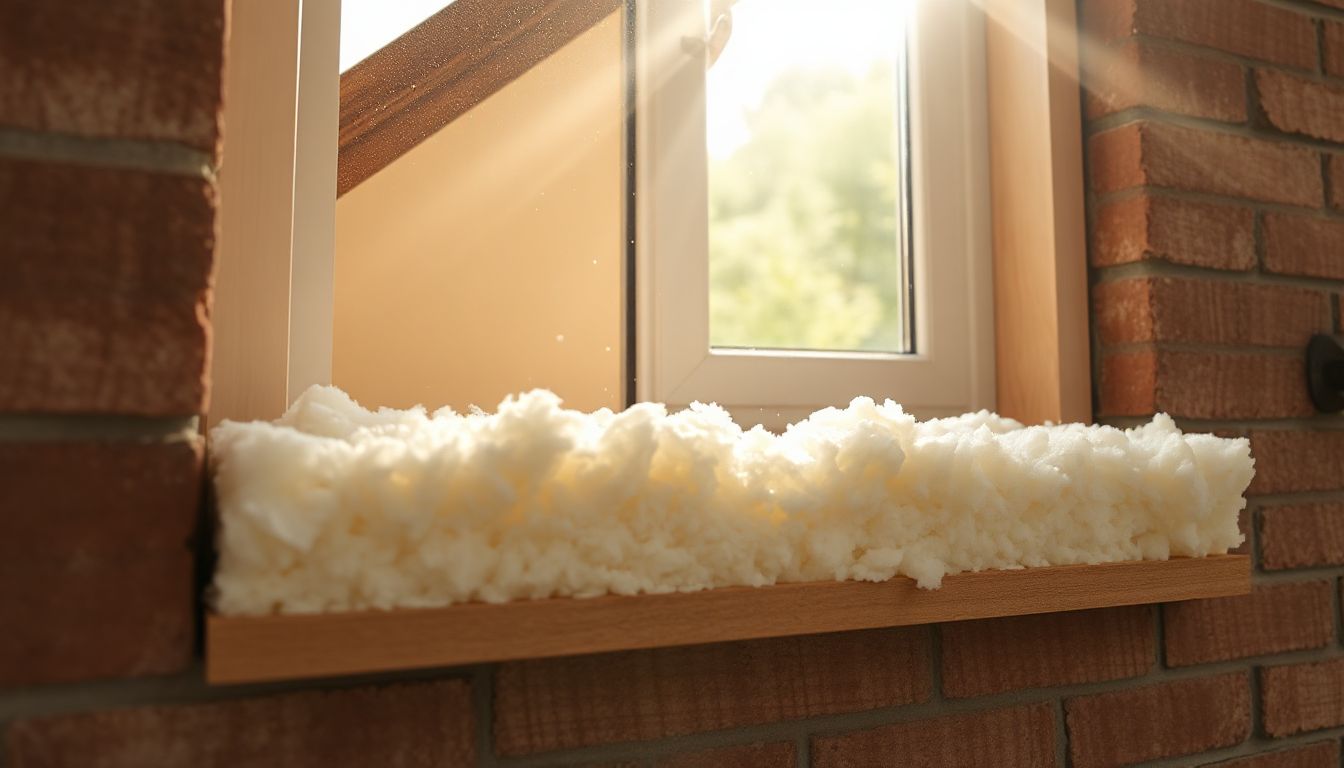
A window sill can become a cold bridge if not insulated. Moisture accumulates and leads to mold. Seal the slopes with foam or plaster with insulation. This will prevent condensation. Proper installation will keep the space dry and warm.
In apartments, walls share heat with neighbors. Cold penetrates concrete. External insulation is ideal, but you can help inside, too. The main thing is not to overdo it, so as not to cause dampness.
Concrete slabs conduct cold like rails. The dew point is the place where warm moisture meets cold and condenses. Symptom: wet spots on the walls. Add insulation to move this point outward. This will keep the room dry.
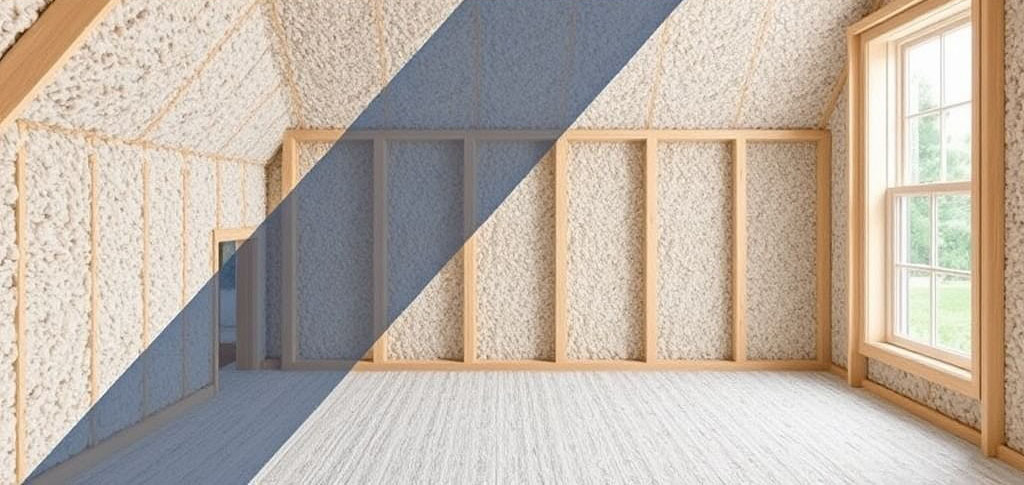
Expanded polystyrene boards or mineral wool are suitable for internal use. Glue them to the wall under the wallpaper. Thermal paint reflects heat like a mirror. But remember: internal insulation narrows the space and can increase humidity. Ventilate more often.
Collect signatures from neighbors and write a statement. Refer to the major repairs plan. External insulation made of mineral wool or foam will save the entire house. It is cheaper for everyone together. If they refuse, check the housing and communal services law.
Without air, the apartment is stuffy, but an open window steals heat. Balance is the key to comfort.
Control the flow to avoid losing 15-20% of energy on ventilation.
Slot method - open the window completely for 10 minutes. This changes the air quickly, without prolonged cold. Avoid permanent cracks - they create a slow draft. In cold winter weather, do this twice a day. The room will be refreshed without unnecessary loss.
Valves like Aereco let in air without opening the sashes. They regulate the flow based on humidity.
A recuperator returns up to 90% of the heat from the outgoing air. Costs 2-5 thousand UAH and pays for itself within a season. Install in a wall or window.
A clogged duct creates a pressure difference. Cold rushes in through the cracks. Clean the grates with a brush or call a professional. Check the draft - the newspaper should attract. Balance will prevent infiltration.
The floor on the first floor freezes from the basement. From above - the cold from the attic. Neighbors in the hallway also have an effect. Insulation here will add warmth from below and above.
Place 5 cm thick extruded polystyrene foam under the screed. It does not absorb water. Underfloor heating with a cable will warm and insulate. The work will cost 1000 UAH per meter. Your feet will no longer get cold.
The gap around pipes or lamps is a path for a draft. Seal them with sealant or foam. If the attic is open, ask for insulation. This will reduce losses by 10%. The ceiling will become a warm shield.
Don't hang curtains over the radiators - the heat goes into the wall. Install a foil screen behind them. It will reflect the rays into the room. Arrange the furniture so that the air circulates. The radiator will work at its full capacity.
Small steps make a big difference. Seal the cracks, ventilate wisely - and your bills will drop. Comfort in winter means warmth and dryness everywhere. Start today, and your home will thank you.
Checklist of quick wins for heat conservation:
Long-term strategy for investing in thermal comfort: simple repairs cost pennies, and new windows cost thousands. But replacement pays for itself in 3-5 years. External insulation of the house is an overall benefit. Choose according to your budget: cheap at first, then seriously. Comfort is worth the effort.
Previous article
Kitchen Remodeling: 5 Common Mistakes and How to Avoid Them
Next article
Construction without a general contractor in Ukraine: a complete guide to managing a project yourself
Want to stay up-to-date on all the latest news in construction, design, renovation, and energy efficiency? Subscribe to the Kedr News Telegram channel.
 subscribe