admin
2026-07-16 | 0 comments
Share this:
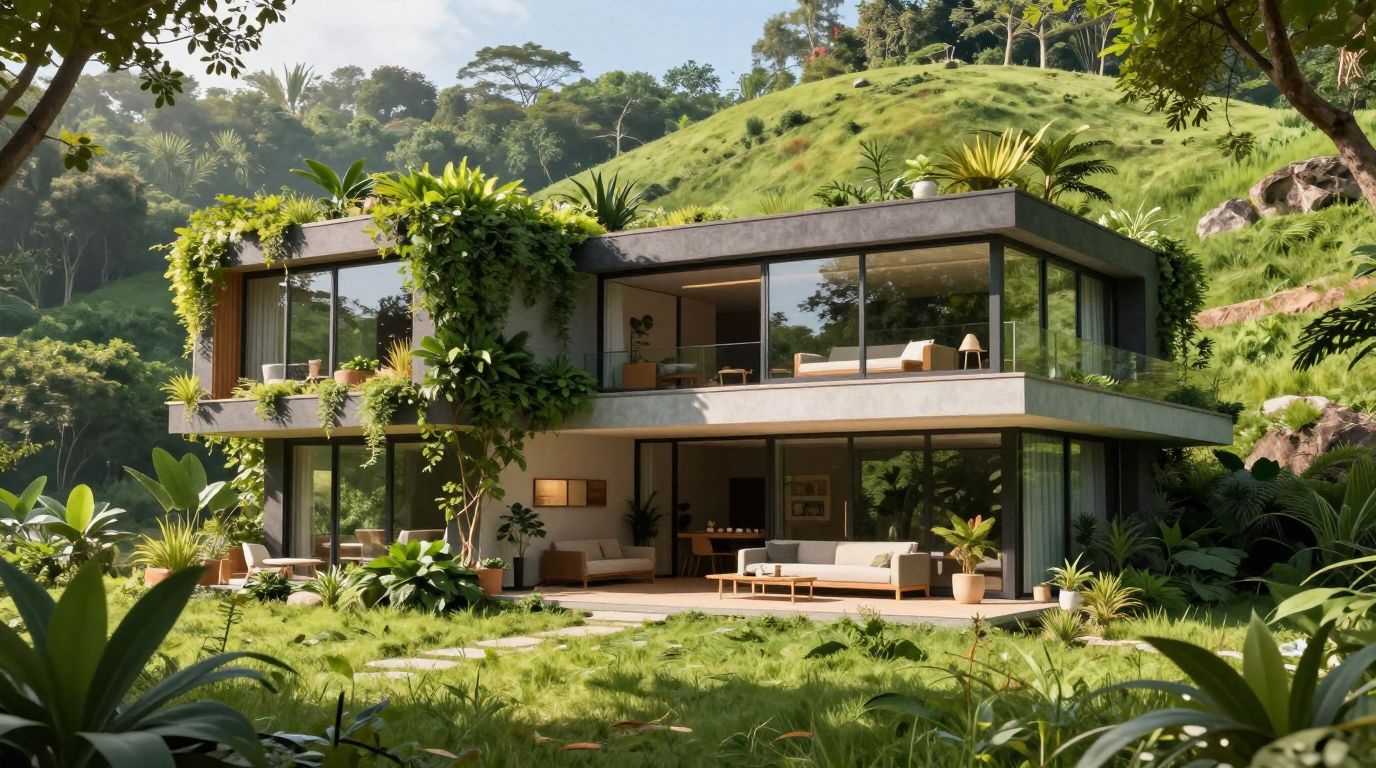
Energy is becoming more expensive, and heating bills are increasing every year. Many homeowners are looking for ways to reduce costs and make their homes more comfortable. The green home concept is becoming more than just a fashionable trend, but a way to survive on a budget and care for the environment. This is not the distant future, but a reality available now.
A green house is a building that consumes a minimum of resources, performs the function of saving heat in winter and keeping cool in summer, while using smart technologies. This is an investment that pays off through reduced utility bills and an increase in the market value of the property.
In this article, we will analyze what makes a house truly energy efficient and how these principles work in practice.
Energy efficiency does not start with the purchase of solar panels, but with a drawing. An integrated approach means that all parts of the house work as a single organism. Architecture, material selection, and building orientation must be interconnected to achieve maximum results.
Using the right materials reduces the environmental impact and improves the indoor microclimate. Modern solutions make a home durable and healthy:
The correct orientation of the building in relation to the cardinal points allows you to use the sun for free heating. In the northern hemisphere, the main windows should face south. This provides maximum light and warmth during the colder months.
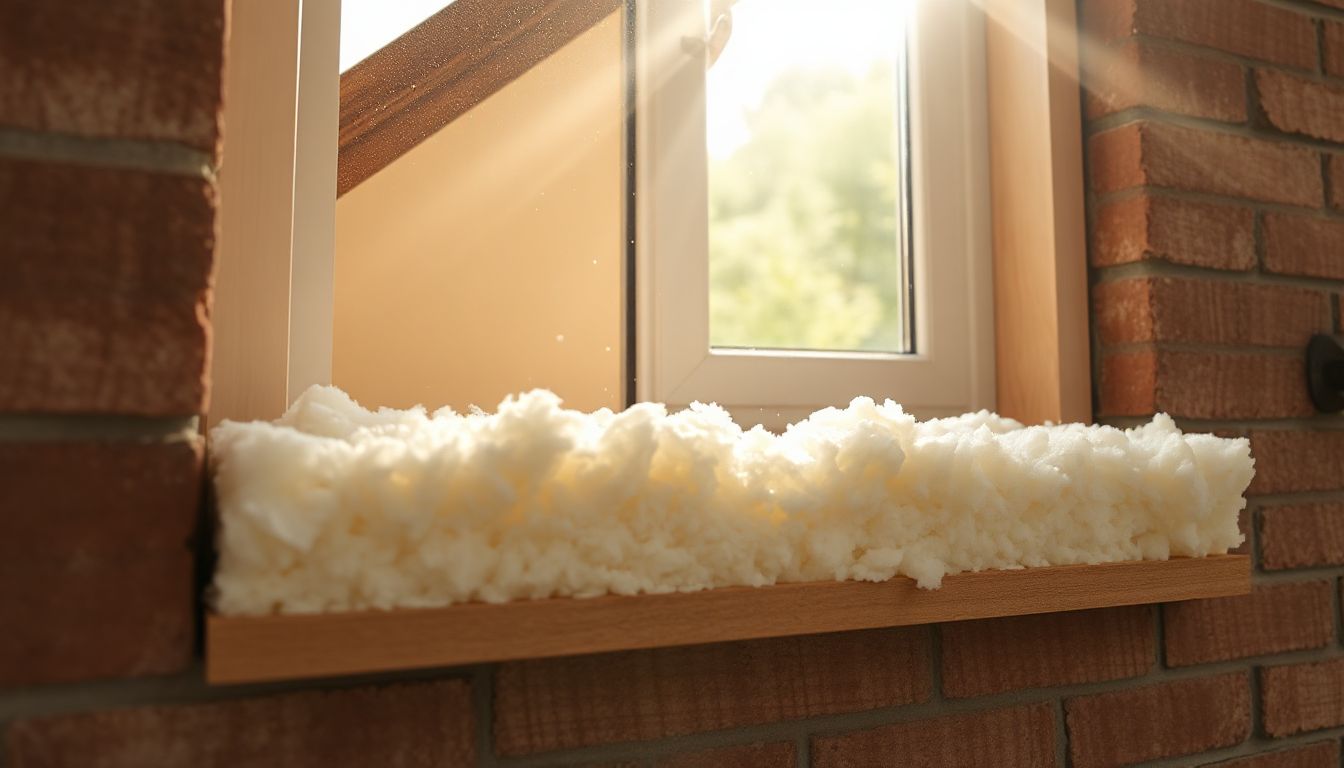
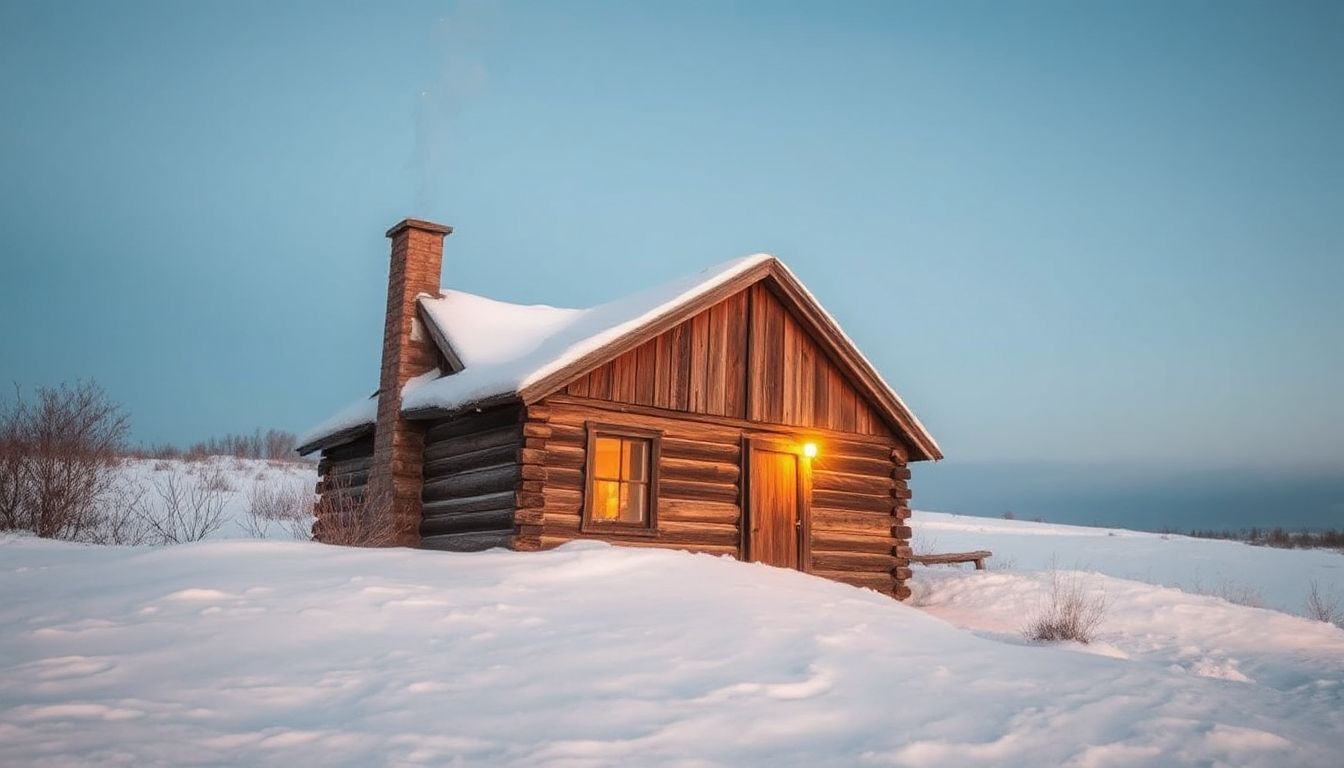
The easiest way to warm a house is to stop heat from escaping. The tightness of a building is critically important. Any gap or poorly installed window is a direct path to increased heating bills.
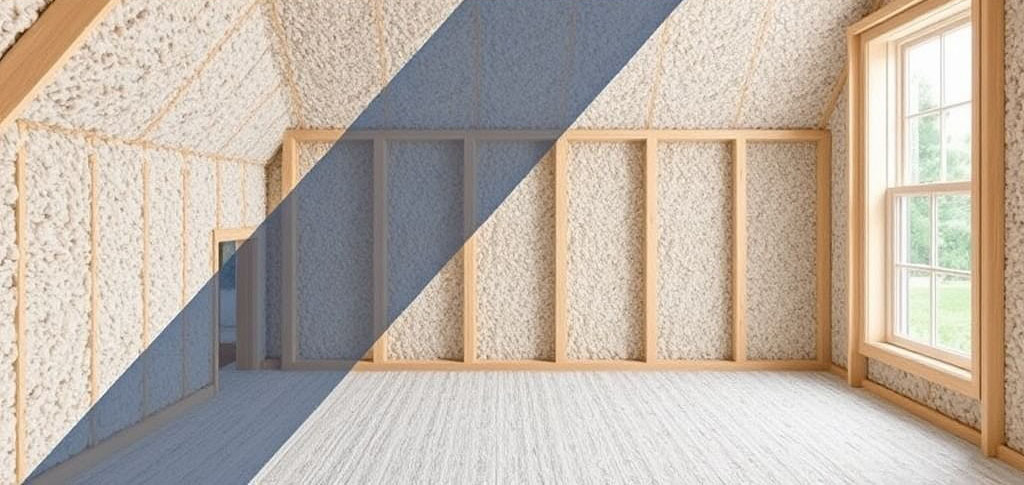
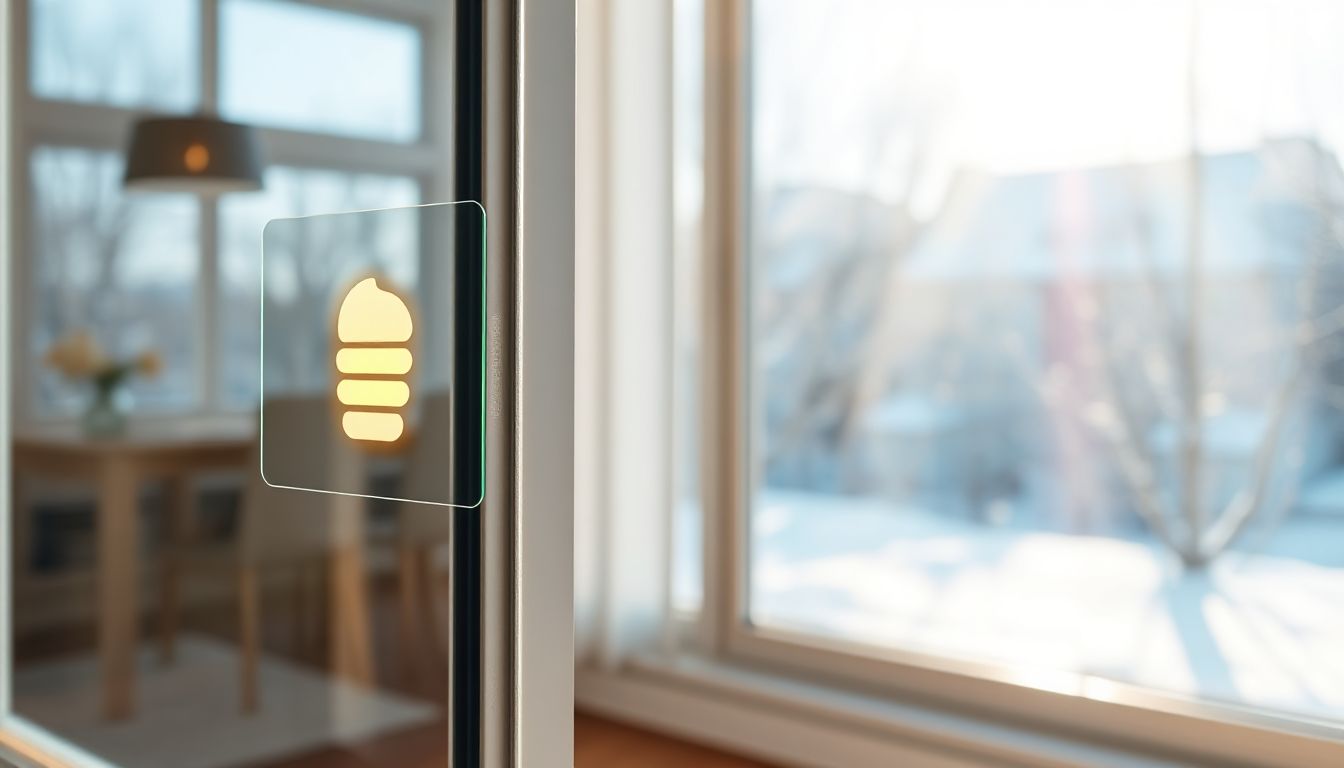
Modern construction methods include the creation of a continuous insulation circuit. When combined with double- or triple-glazed windows with a special coating, this helps maintain the interior temperature with virtually no active heating. Sealed frames and properly sealed wall joints eliminate drafts and air leaks.
Even the best-insulated home requires proper engineering systems. This is where technologies that minimize the cost of maintaining a comfortable temperature come to the rescue.
Traditional gas boilers are giving way to more efficient solutions. Heat pumps are the leaders in the field of heating. They do not produce heat, but transfer it from the external environment - air or ground - into the home. Their efficiency is much higher than conventional systems, since they produce several kilowatts of thermal energy for every kilowatt of electricity consumed.
Heat recovery systems, or HRV/ERV, are a must for modern green homes. They remove stale air, but remove heat from it and transfer it to fresh air coming from the street. This allows you to ventilate the house without losing heat, which is especially important on frosty days.
Having your own power plant makes the home owner independent of external grids. Solar photovoltaic panels convert light into electricity. Today, they are becoming more efficient and cheaper every year. Excess energy can be sold back to the grid or stored in home batteries for use at night.
Solar collectors work differently - they heat water for domestic needs. This allows you to almost completely do away with an electric or gas boiler in the summer. Geothermal systems use the constant temperature of the earth's interior. This is expensive to install, but it provides virtually free heating and cooling for decades.
Light and appliances consume a significant portion of electricity. Optimizing these costs is a quick way to lower your bills.
Design should be focused on daylight. Skylights, internal glazing, and well-positioned windows allow you to do without lamps for most of the day. This not only saves energy but also has a positive effect on the mood and productivity of residents.
Where lamps are essential, only light-emitting diodes (LEDs) are used. They consume 8-10 times less energy than old incandescent bulbs and last dozens of times longer. Choosing the right color temperature allows you to create a comfortable atmosphere in different areas of the home.
When choosing a refrigerator, washing machine, or stove, look at the energy efficiency class. Class A+++ appliances are more expensive, but over several years of operation, they save so much electricity that the difference in price is completely offset. Smart appliances can be switched on during night-time tariff hours, which further reduces costs.
Green houses are built all over the world, from Scandinavia to the USA. The "Passive House" standard is the most famous example. Such buildings consume up to 90% less energy for heating compared to standard buildings. This is achieved due to an extra-thick layer of insulation and perfect air tightness.
Zero-energy houses produce as much energy as they consume in a year. They combine the best insulation methods and powerful energy generation systems. Projects like these prove that comfortable living without huge bills is a reality, not a fantasy.
The main financial advantage is a dramatic reduction in utility bills. Investments in insulation, heat pumps, and solar panels pay for themselves through savings. Over the years, as energy prices continue to rise, the owner of a green home will be protected.
Furthermore, such properties command a higher market price. Buyers are increasingly looking for options with low operating costs. A healthy indoor climate, fresh, draft-free air, and stable temperatures are advantages that cannot be overstated. By caring for your wallet, you simultaneously contribute to reducing carbon emissions and helping the planet.
Green homes are a smart choice for those who value comfort, savings, and care about the future. Integrating thoughtful design, modern technology, and renewable energy creates a home that works for you.
Start with insulating your walls or replacing your windows—every step brings you closer to an energy-efficient home and a better quality of life.
Previous article
How to Choose Kitchen Tiles: A Practical Guide
Next article
Ukrainian Housing Market Trends 2026: How to Profitably Invest in Real Estate Right Now
Want to stay up-to-date on all the latest news in construction, design, renovation, and energy efficiency? Subscribe to the Kedr News Telegram channel.
 subscribe