admin
2025-10-18 | 0 comments
Share this:
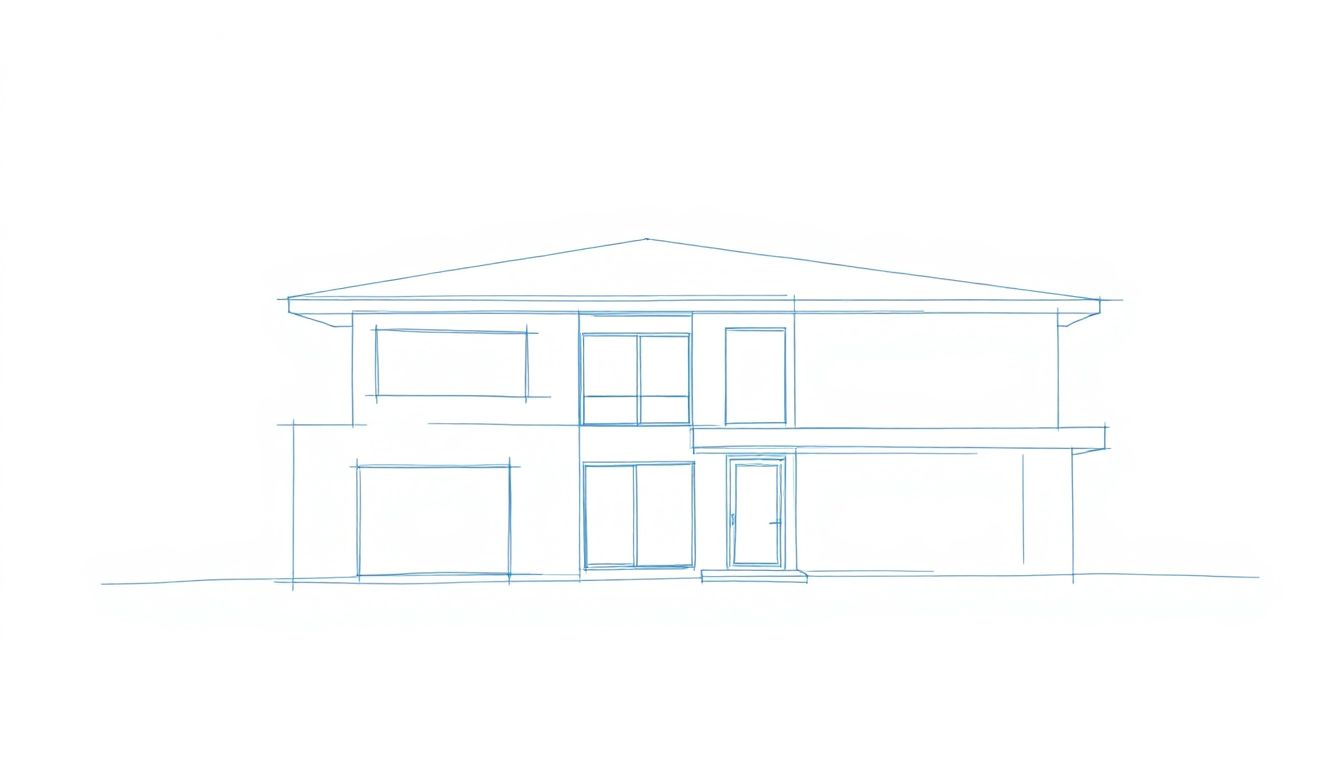
Imagine entering a house where every corner breathes spaciousness and tranquility. Contemporary home design goes beyond simple minimalism. It is a smart balance of style, comfort, and care for the environment. You, as the owner, get a space that adapts to your life.
In this article, we will analyze how such design changes everyday life. It combines new technologies with natural materials. And most importantly, it makes your home your personal sanctuary.
Modern home design differs from older styles in its clarity and practicality. It doesn't copy the modernism of the last century, but adds fresh ideas. Let's look at the key principles.
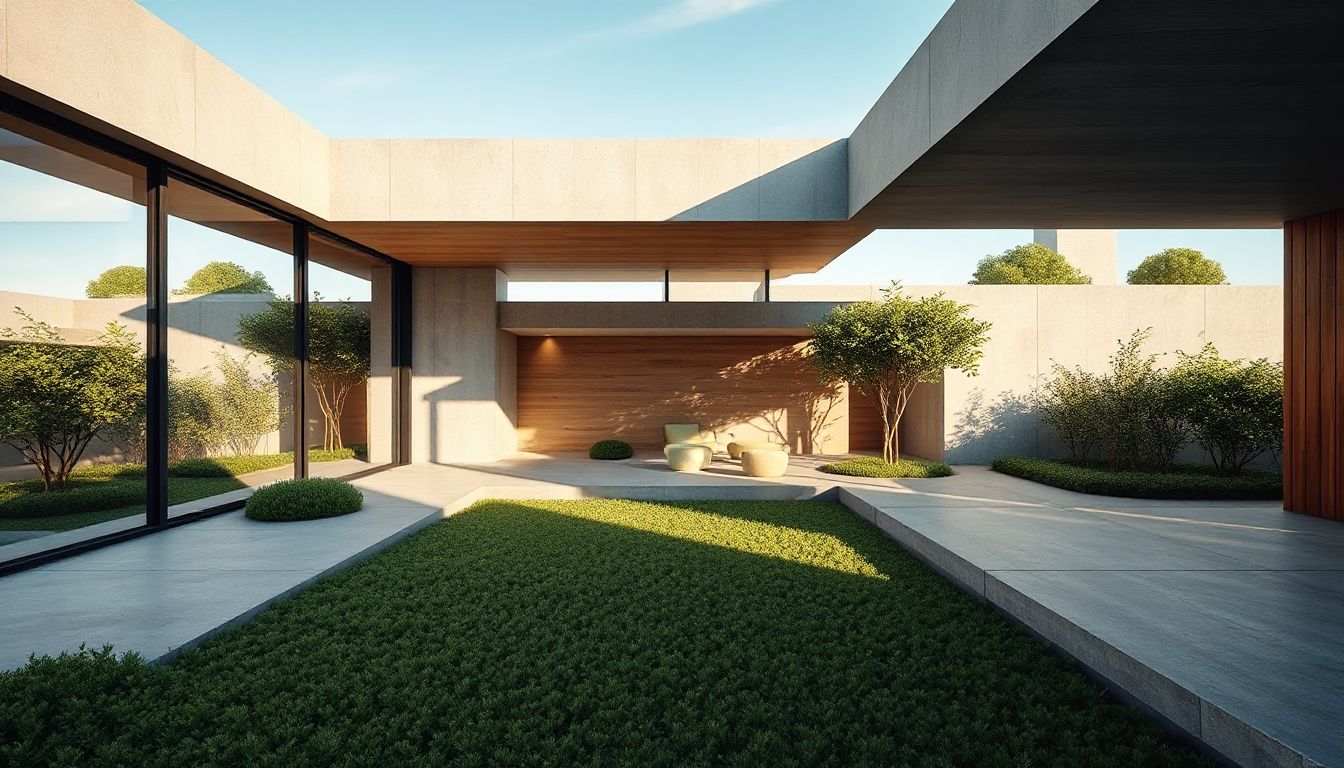
Straight lines set the tone for the entire space. They create a sense of order without unnecessary noise. In a modern home, you see smooth walls and corners where there is no room for pretentious patterns. Asymmetry adds dynamics - for example, offset cabinets or windows of different sizes. This helps the room appear larger. Such elements make the design timeless.
Form always serves function - this rule holds true. But in the modern approach, it is smarter. Multifunctional furniture, like a sofa with drawers for linen, saves space. Hidden shelves in the walls hide things without cluttering the view. You get a home where everything is at hand, without the clutter. This is especially useful in small apartments.
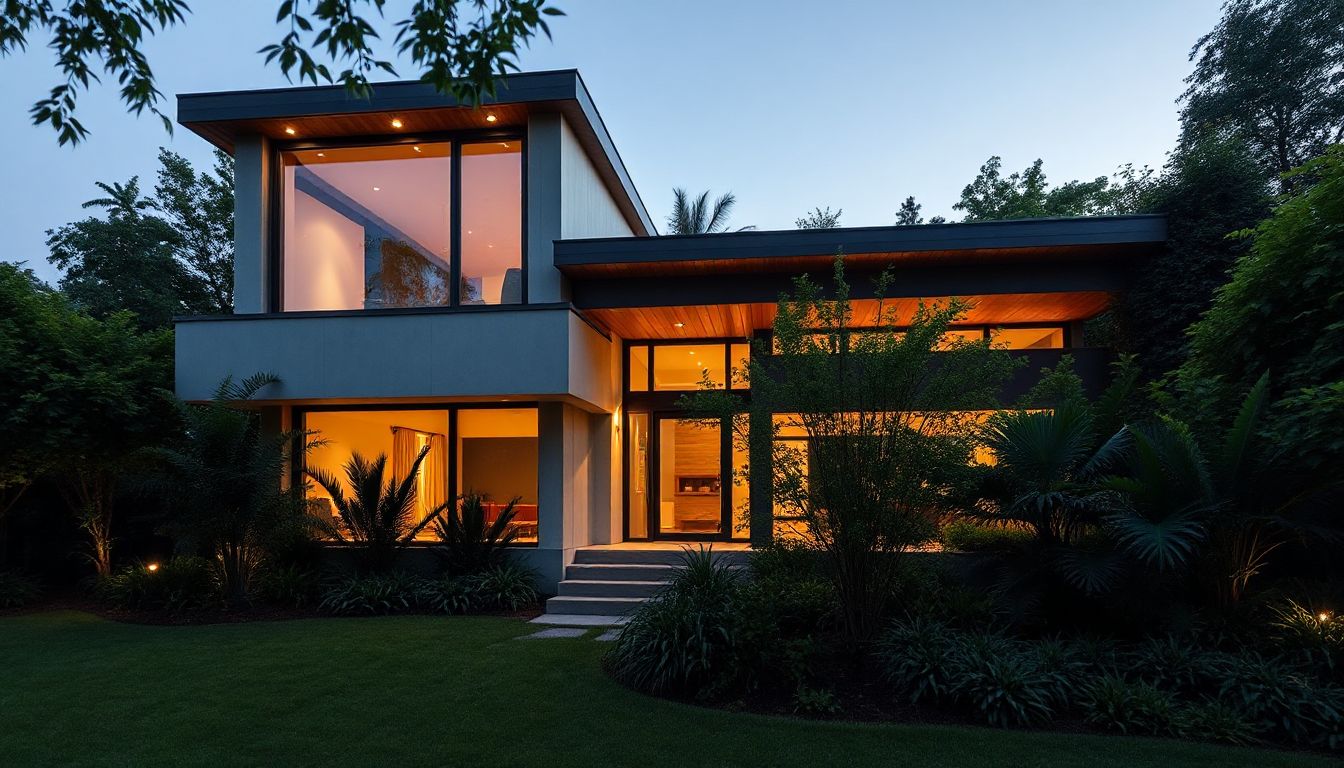
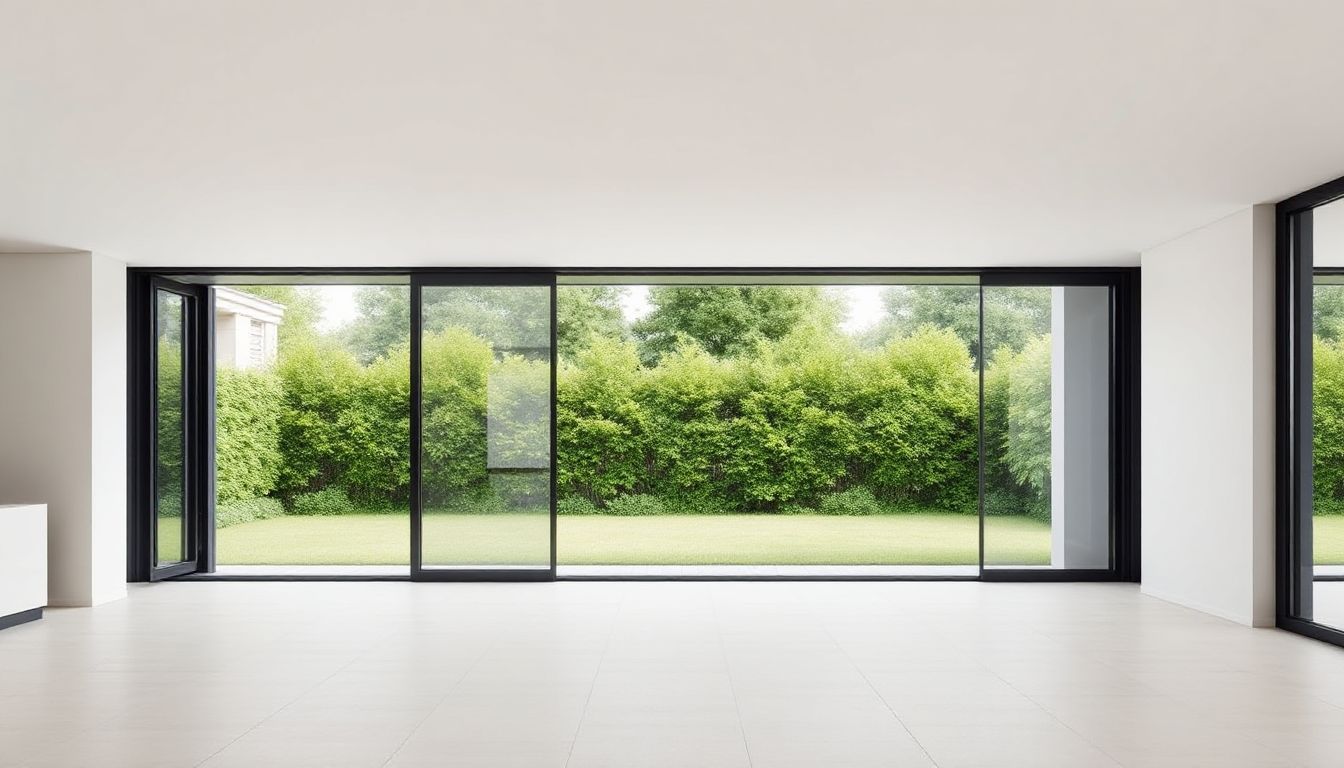
Large windows let in light, making the home bright. Open areas where the kitchen merges with the living room strengthen the family connection. Glass doors instead of walls create the illusion of unity. This design is associated with biophilia - a love of nature. You feel closer to the outdoors, even sitting inside.
Research shows that natural light improves mood by 20%.
Materials are the foundation of any interior. In modern home design, they mix warm and cold. This adds depth without unnecessary details. Choose what is pleasant to the touch and durable.
Concrete walls sit next to wooden panels. Steel in the window frames contrasts with the soft stone on the floor. Untreated wood, like oak slabs, adds coziness. Natural stone in the bathroom adds luxury. These textures play on the senses - you touch and feel the difference. This mix makes the house come alive.
Neutral colors dominate - gray, white, beige. They create a background against which everything looks clean. Black adds severity in details, such as handles or table legs. Introduce bright accents sparingly - through a picture on the wall or a pillow. In the bedroom, a blue accent is calming. This is the rule:
60% neutral, 30% primary, 10% bright. Your home is easy on the eyes.
Smart glass changes transparency at the touch of a button. Self-cleaning wall coverings make cleaning easy.
Insulated materials reduce energy bills by 15-20%.
You install them discreetly so the design doesn't suffer. For example, walls with built-in lighting sensors. This is a step towards a future where your home cares for you.
A modern home is not only beautiful, but also smart. Technology is seamlessly integrated, without visible wires. Sustainability helps the planet and your wallet. Let's take a closer look.
Lighting systems are activated by motion. Climate control adapts to your schedule. Security cameras monitor your home via your phone. All this is hidden in the walls - you don't see the gadgets. The app controls everything with one touch. Your home becomes a partner.
Local materials reduce transport emissions. Solar panels on the roof provide free energy. Rainwater collection systems water the garden. Green roofs with plants cool the house in the summer. Example:
A house in California saved 30% on electricity thanks to such ideas.
You live without sacrificing comfort. This is a growing trend.
Countertops at a height of 90 cm are convenient for cooking. Sockets at eye level minimize bending. Acoustics in rooms muffle street noise. Design thinks about health - ventilation purifies the air. You sleep better and move more freely.
Research confirms: ergonomics reduces stress by 25%.
Furniture in a modern home is not just things. Every detail has meaning. Choose little, but high-quality. This saves space and budget.
One chair from a designer, like Eames, becomes a star. Mid-century modern is inspiring - simple forms, durable materials. Choose 1-2 such pieces instead of a bunch of small ones. A sofa with clear lines zones the space. This adds character. Your interior looks collected.
A large abstract painting on the wall attracts the eye. A metal sculpture in the corner adds depth. Contemporary art reflects your soul. Place it at eye level for balance. It's not decor, but history.
Galleries advise: one large canvas is better than a dozen small ones.
Add a vintage lamp - it will break the strict line. Family photos in minimalist frames tell a story about you. Designer patterned pillows will bring warmth. The main thing is not to overdo it. Mix the new with the old for uniqueness. Your home will speak volumes about you.
Modern home design balances style, function, and well-being. We've seen clean lines, smart materials, and technology that serve people. This isn't just a trend—it's a way to live better.
Flexible spaces await, where rooms can be reconfigured to suit your needs. Integration with nature will be enhanced—more greenery inside. You can start small: add one large window or a smart thermostat. What will you change first in your home?
Previous article
How to choose the perfect plot for a house: a checklist for beginners.
Next article
Kitchen Remodeling: 5 Common Mistakes and How to Avoid Them
Want to stay up-to-date on all the latest news in construction, design, renovation, and energy efficiency? Subscribe to the Kedr News Telegram channel.
 subscribe