admin
2025-09-18 | 0 comments
Share this:
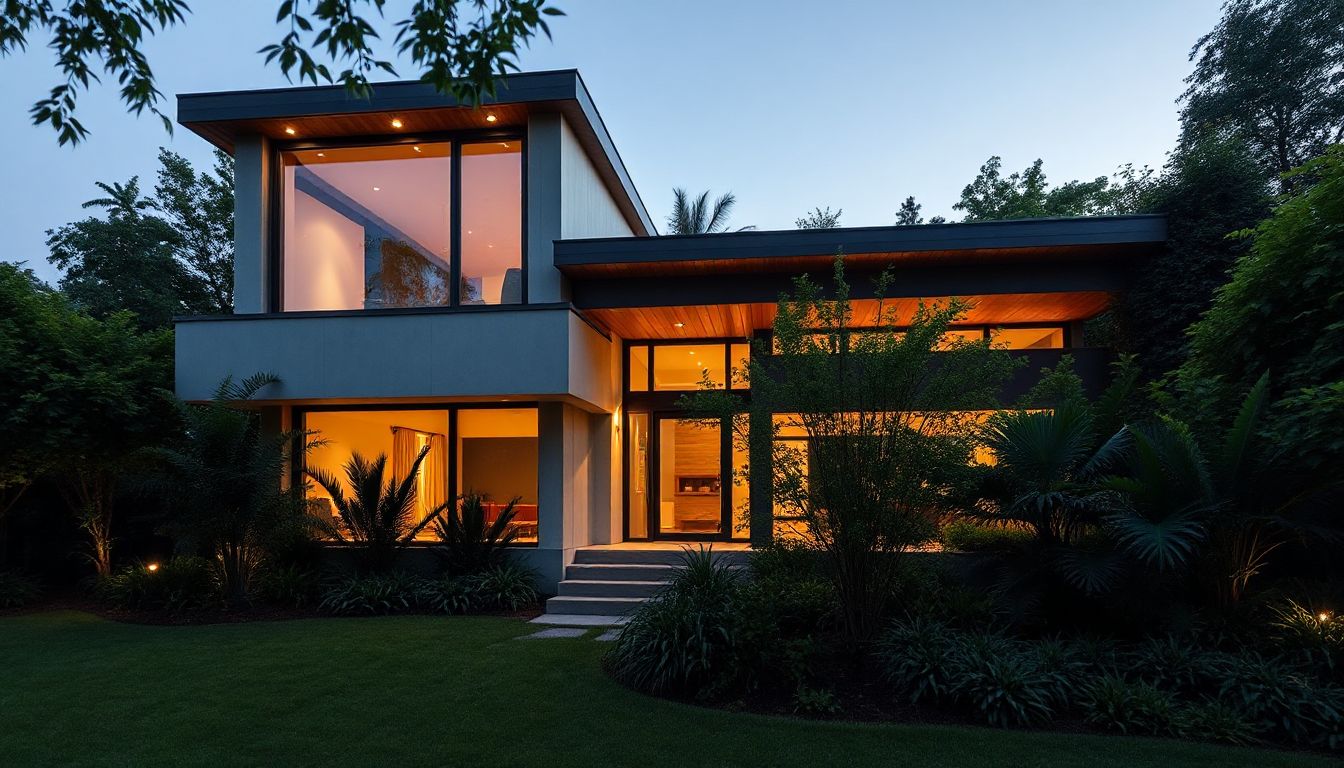
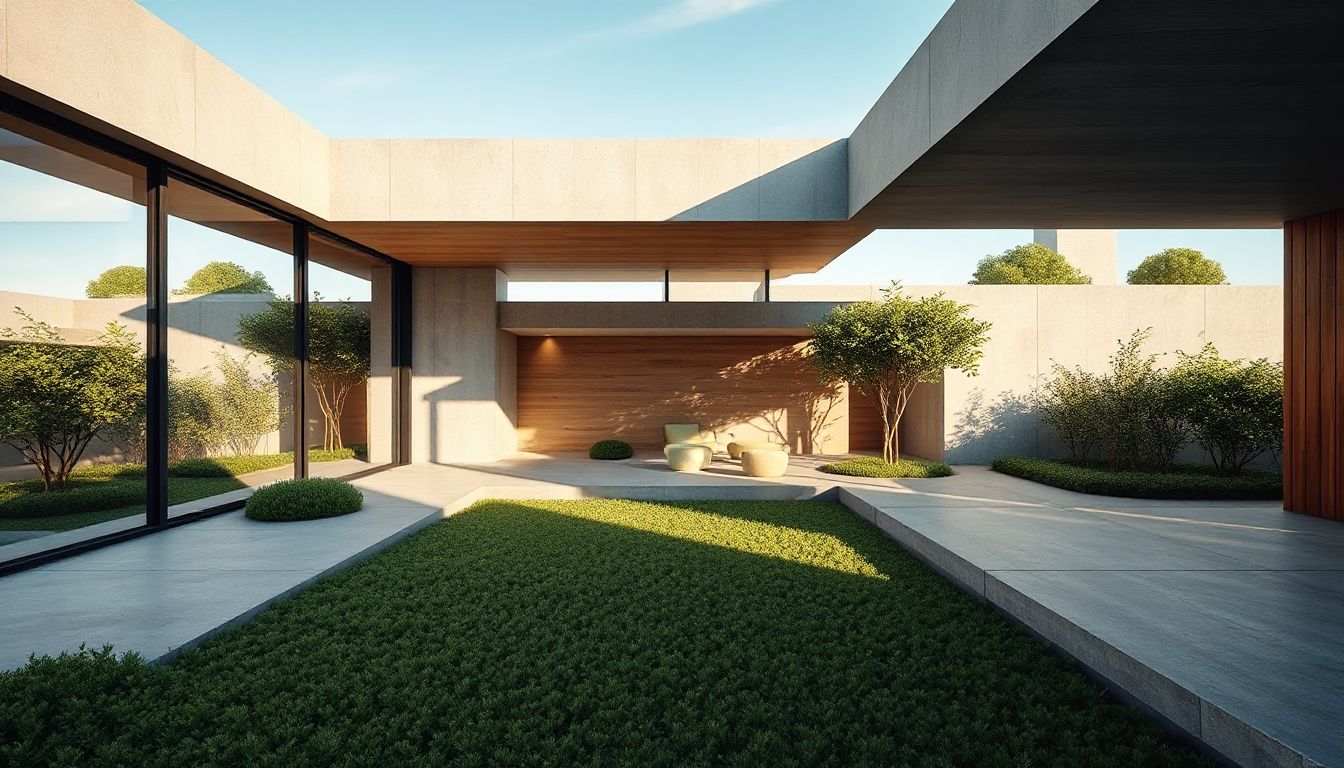
Your facade is the first thing guests and passers-by see; it is the calling card of your home. It reflects your style, status, and even character. A properly designed facade not only enhances aesthetic appeal but also plays a key role in energy efficiency. It protects from external factors and, ultimately, increases the value of your property. This guide will take you through all the stages of facade design, from choosing a style to selecting materials. It will help create an exterior that will delight you for many years to come.
Designing a facade is more than just choosing a paint color or cladding type. It is a complex process that requires consideration of many factors, from the regional climate and architectural features of the site to your personal preferences. A successful facade design provides a harmonious combination of beauty, functionality, and durability.
Before you begin, look around. Research existing buildings in the area to understand the predominant architectural styles and materials. Evaluate landscape features of the site, such as topography, vegetation, or beautiful views, which can greatly influence the facade design. Study neighboring houses. Pay attention to the materials used, color schemes, and roof shapes. Conduct a site inspection to determine how your facade will fit into the overall landscape.
There are many architectural styles, each with its own characteristics. Popular facade styles include classic, modern, minimalist, Scandinavian, Mediterranean, and country. Each style has its own characteristic features, materials, and color schemes. For example, classic favors symmetry and moldings, while modern prefers simple lines and large windows. Determine which style best suits your preferences, budget, and the overall concept of the house.
Once you've chosen a style, it's time to create a personalized concept. It combines the chosen style with your needs and the features of the site. Always emphasize functionality and aesthetics. Create a mood board, or inspiration board, with images of facades that you truly admire. Write down the key elements you want to see in your design so you don't miss anything important.
Proper façade insulation is essential. It significantly reduces heat loss, saves you money on heating, and creates a comfortable indoor climate. Modern insulation materials, such as mineral wool or expanded polystyrene, can reduce a building's energy consumption by 30-40%. Consult an energy efficiency specialist. It will help you choose the optimal thickness and type of insulation for your house project.
The facade plays a huge role in protecting your home. It protects it from precipitation, strong winds, UV radiation, and other aggressive factors. Choosing materials resistant to the climatic conditions of your region is essential. Study the climatic features of your area, such as humidity, temperature fluctuations, and wind loads. Select materials that meet these conditions.
Various facade ventilation systems ensure the durability of the structure. Ventilated facades and "wet" facades have their own characteristics, advantages, and disadvantages. A ventilated facade creates an air gap that helps remove moisture and improves thermal insulation.
A "wet facade" is a system where insulation is attached to the wall and plaster is applied on top. Experts say that choosing the right ventilation system increases the service life of the facade. Discuss with an architect or builder which system will be most suitable for your project and climate.
There are many cladding materials on the market. Popular materials include brick (facing and clinker), natural stone, plaster (mineral, silicone, acrylic), and wood (lining, planks, and thermally modified wood). Siding (vinyl, metal, and fiber cement) and porcelain stoneware are also commonly used.
Each material has its own unique properties and appearance. For example, clinker brick is very durable, while wood gives a home a cozy look. Compare the characteristics, cost, durability, and appearance of different materials to find the perfect option.
Combining different materials can create a very interesting and expressive façade. Combining techniques include accents, zoning, and creating contrasts. For example, you can use natural stone for the baseboard and plaster the rest of the house. This gives the building a unique character. Consider which areas of the façade you want to highlight, such as the baseboard, corners, or window openings. Then choose the right materials for these areas.
Color greatly influences the perception of a home. Warm tones can make a home feel cozier, while light tones can make it appear larger. There are trends in facade color schemes, but the most important thing is your preferences and color combination rules. For example, avoid using too many bright shades. Use online services to select color combinations. Try out the color on the facade using special programs or samples to make sure you've made the right choice.
Windows and doors are not only functional elements but also an important part of the design. Choose window and door systems that harmonize with the overall style of the facade. Pay attention to the shape, size, frame material, and type of double-glazed windows. Consider not only the appearance but also the thermal insulation properties of windows and doors. This will help keep the house warm.
The roof should also match the style of the façade. The choice of roofing material, whether shingles, metal tiles, or corrugated sheets, is important for the overall appearance. A functional gutter system is essential. It protects the foundation and walls of the house from moisture. Make sure the color and material of the roof match the façade finish.
The use of architectural elements can give a house a unique character. Cornices, pilasters, rustication, architraves, or balustrades make the façade more expressive. They add charm. For example, architraves around windows can emphasize the classic style. Decorative elements should match the chosen style. Avoid unnecessary clutter to prevent the façade from looking gaudy.
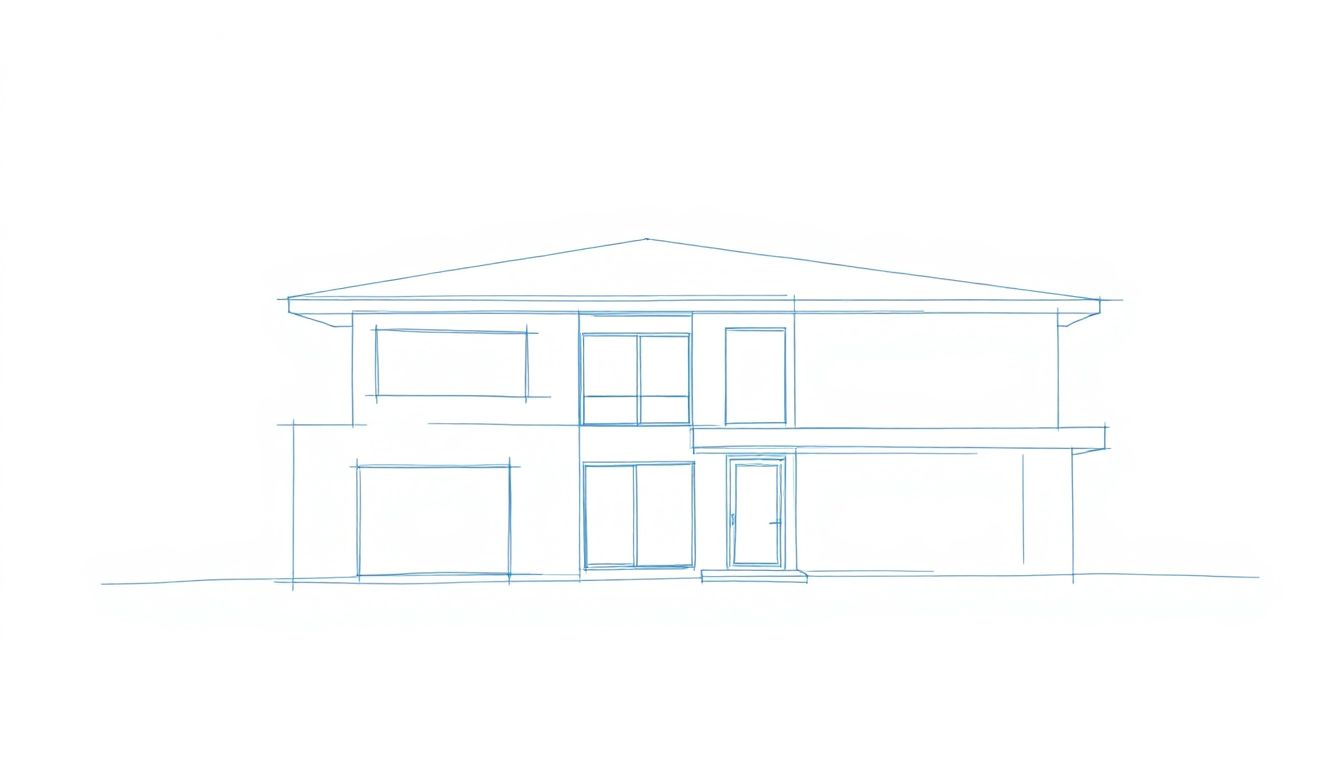
Creating a façade project goes through several stages. First, sketches are made, then working drawings, and finally - 3D visualization. A professional approach to this process is very important. Architects recommend starting with a general vision, then moving on to details. Find a qualified architect or designer. He will help bring your ideas to life and avoid mistakes.
Choosing a construction team is key. Review contractors' portfolios, request references, and be sure to enter into a detailed contract. The importance of supervision and quality control at all stages of the work cannot be overstated. Regular inspections ensure that everything is being done according to plan.
Preparing an estimate for materials and labor will help avoid unexpected expenses. Always factor in unexpected expenses by adding approximately 10-15% to the total. Obtain detailed estimates from several contractors and compare them. This will allow you to choose the best offer without compromising quality.
Designing a house facade is a true investment in its appearance, durability, and your comfort. By following the outlined steps, carefully choosing the style, materials, and paying attention to detail, you can create the exterior of your dreams. Your home will not only be aesthetically pleasing, but also functional, reliable, and tailored to your lifestyle.
Remember, a quality facade design is the foundation of a home. It will delight you and your loved ones for years to come.
Previous article
Construction without design documentation: risks, consequences, and legal solutions
Next article
How to Choose the Perfect Wallpaper for Your Living Room: Make Your Room Look Beautiful!
Want to stay up-to-date on all the latest news in construction, design, renovation, and energy efficiency? Subscribe to the Kedr News Telegram channel.
 subscribe