admin
2025-09-13 | 0 comments
Share this:
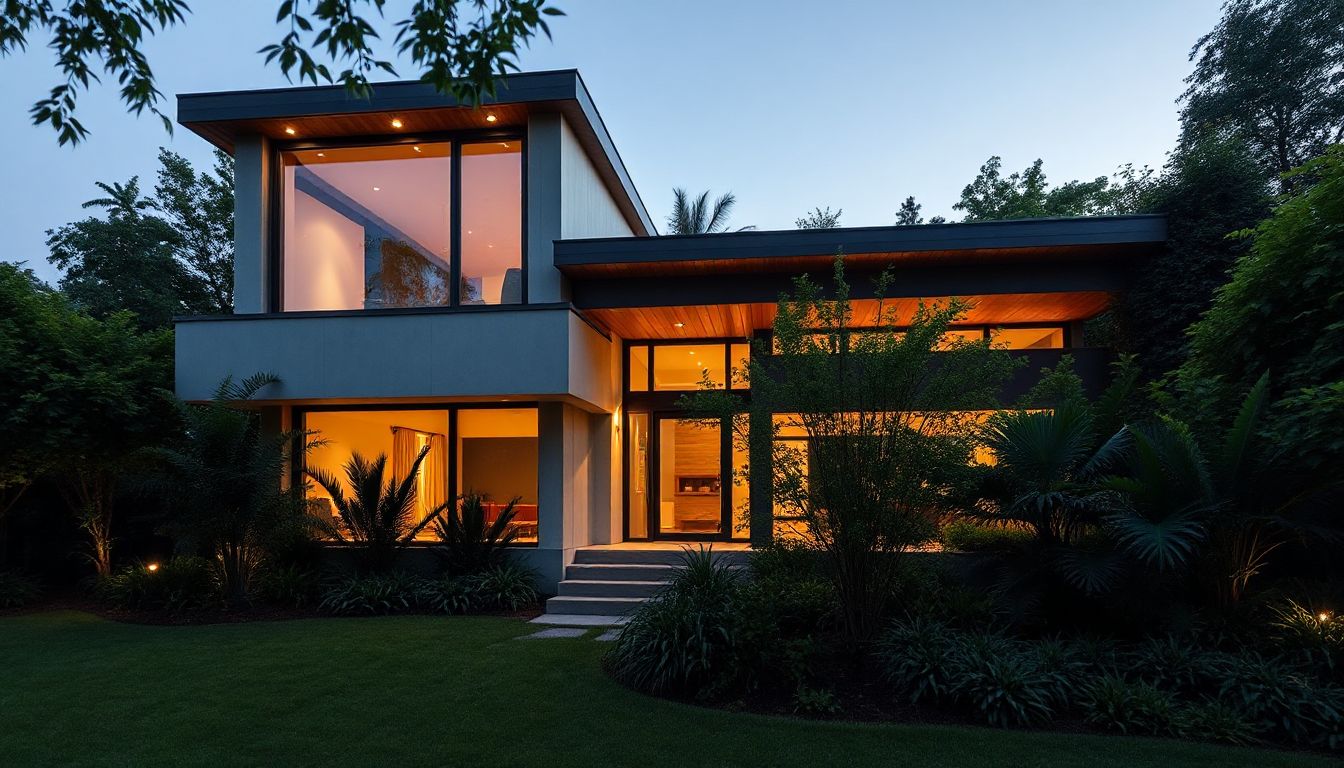
Your home's exterior is the first thing that catches your eye. It's not just about beauty; it's also about site appeal, property value, and creating a welcoming atmosphere. This article will walk you through the important steps to transform a home's exterior into a stunning and comfortable masterpiece.
From choosing the right materials and colors to landscaping and lighting, every element is important. We'll look at how to combine different elements, highlight the unique architectural style of your home, and make decisions that suit your taste and budget.
A well-designed exterior not only enhances the beauty of your home. It can also improve its energy efficiency and extend its lifespan. Get ready to discover the secrets to creating an exterior that will stand out and bring you pride for years to come.
The first step to the perfect exterior is understanding what you want it to look like. Don't rush into choosing materials or colors. It's best to first define the overall idea and style of your home design.
This stage helps avoid mistakes and make the home's appearance cohesive. Consider your preferences, the building's architecture, and the surrounding environment. Create a harmonious space that reflects your personality.
Every home has its own character. Find out what style your building belongs to: it could be modern, classic, farmhouse, or Victorian. Understanding existing architecture is key to successful exterior design.
If your home is modern, for example, choose clean lines and simple shapes. For a classic home, more traditional elements are appropriate. Work with what you have to update it or highlight its uniqueness.
The world of exterior design offers many inspiring ideas. Explore current trends and timeless styles to find something you love. Look, for example, at minimalist modern or cozy rustic style.
There are many places to find ideas. Check out design magazines or online platforms like Pinterest. You'll see many examples there, from coastal chic to clean-cut industrial style.
Your home doesn't exist separately from the world around it. It should be in harmony with nature and its neighbors. Consider how your exterior will fit into the overall landscape.
Consider the climate in your region, the surrounding vegetation, and even your neighbors' houses. These factors will help create a design that will look natural and very pleasing to the eye. Create unity between the house and its site.
Choosing facade finishing materials is one of the most important decisions. It determines not only the appearance of the house but also its durability. Consider beauty, durability, maintenance, and, of course, cost.
The right material will protect your home from bad weather and will delight the eye for many years. Pay special attention to this stage. This is an investment in the future of your home.
There are many facade finishing materials on the market. Each of them has its own characteristics. Let's look at the most popular options you can choose from:
When choosing a material, it is important to think about its durability. How will it withstand rain, snow, and sun? Find out the average service life of the chosen coating.
Also consider how much effort will be required for maintenance. Some materials require little or no maintenance, while others require regular painting or cleaning. Compare these factors with your capabilities and desires.
The cost of materials varies greatly. It is important to find a balance between the desired look and your financial capabilities. The most expensive isn't always the best, and the cheapest isn't always the worst.
Consider budget options like vinyl siding or stucco. They can look great. Or you can invest in premium options like natural stone or brick, which will last a long time and add value to your home.
Color is a powerful tool in exterior design. It can completely change the mood of a home. Choosing the right color palette and decorative elements will give your building a unique character.
These elements work together to create a harmonious and memorable look. Think about the impression you want to make. Home design should reflect your taste and personality.
Choosing a color for your home isn't just a decision, it's an art. Start with a primary color that will cover most of the exterior. Then choose complementary colors for accents and trim.
There's a "60-30-10" rule: 60% - primary color, 30% - secondary, 10% - accent. Use it to create a balanced and attractive scheme. Light colors make a house appear larger, while dark colors make it appear cozier.
Small details can greatly impact the overall look of a home. Windows, the front door, shutters, and even the roof are more than just functional. They are also decorative elements.
Choose the color of your window frames, the style of your front door, and the material of your roof so that they complement the main color. For example, a bright front door can be a real focal point. The right roof will add a finished look to the building.
Different textures add depth and interest to an exterior. The combination of smooth and rough surfaces looks very impressive. Use decorative elements to create a layered look.
These could be cornices, moldings, or decorative tiles. They add personality and style to the façade. A variety of textures makes the design more dynamic and visually rich.
A building's exterior is not just the building itself. It's also everything around it. Landscape design and thoughtful lighting create a complete, cozy, and safe environment.
These elements unite the house with its site. They invite guests and create a pleasant atmosphere for you. Think about how your home looks day and night.
The entryway is the calling card of your home. It should be inviting and welcoming. Start with the path to the door.
Choose beautiful paving materials, such as tiles or natural stone. Add beautiful plants or flowers to the sides. A welcoming bench or stylish plant pots will make the entrance even more inviting.
Plants and trees play a huge role in creating the overall look. They soften the lines of the house and add natural beauty. Choose species that suit the climate and style of your home.
Consider trees, shrubs, flowers, and a lawn. They should look good all year round. Using native plants will also help preserve nature and simplify maintenance.
Lighting is important not only inside the house, but also outside. It improves safety and beauty at night. Divide lighting into functional and decorative.
Use lanterns along paths for safety. Accent lighting can highlight beautiful facade details or plants. Security lighting will help you feel more secure. All this makes your home beautiful at night.
To keep your home looking attractive, you need to take care of it. Regular maintenance helps preserve the beauty and durability of the exterior for many years. It's an investment that pays off.
A little care can prevent serious problems in the future. Protect your home from aging and damage. Keep it in excellent condition.
Make a schedule for regular inspections of your exterior. Look for cracks in stucco, peeling siding, or damaged trim. The sooner you notice a problem, the easier it is to fix.
Minor repairs done on time will save you a lot of money. For example, repair a small crack before it becomes a big one. This is very important for the preservation of your home.
Cleanliness is the key to beauty. Regularly clean the facade and other exterior elements. Wash windows, remove moss from the roof.
You can use a pressure washer on siding, but be careful not to damage the material. Each material has its own cleaning rules. Follow them to avoid damaging the surface.
Each season brings its own challenges for your home's exterior. Prepare for them in advance. Before winter, dry hoses and put away patio furniture.
In the spring, conduct a thorough inspection after the winter cold. Check for any damage. Perhaps some elements need a fresh coat of paint. Such care will prolong the life of your home.
Creating and maintaining a beautiful home exterior is an exciting process. We've covered all the important steps, from choosing a style to maintenance. First, determine the overall look, then select materials and colors. Don't forget about landscaping and lighting.
Investing in your exterior brings many benefits. It increases the value of your property, makes your home more appealing, and brings personal satisfaction. Your home will become a source of pride.
Remember, exterior design is a continuous process. Don't be afraid to make changes and improve your home over time. May it always delight you and those around you with its beauty.
Previous article
Building a house without permission: the consequences of illegal construction
Next article
Home Remodeling or "Rebooting": A Guide to Upgrading Your Home (Without a Nervous Breakdown!)
Want to stay up-to-date on all the latest news in construction, design, renovation, and energy efficiency? Subscribe to the Kedr News Telegram channel.
 subscribe