admin
2026-10-14 | 0 comments
Share this:
Do you need to reduce heat loss, protect a room from summer heat, or insulate pipes? Foil-faced insulation is attractive due to its slim profile and reflective surface, but the shiny layer alone does not guarantee the desired result.
The reflective surface works most effectively when facing an air gap. Without one, its contribution is limited, and the thin material cannot replace insulation that provides the necessary thermal resistance.
Select the material based on the installation location, temperature, humidity, and fire safety requirements. Below, we explain how to compare insulation types, choose the right one, and avoid installation errors.
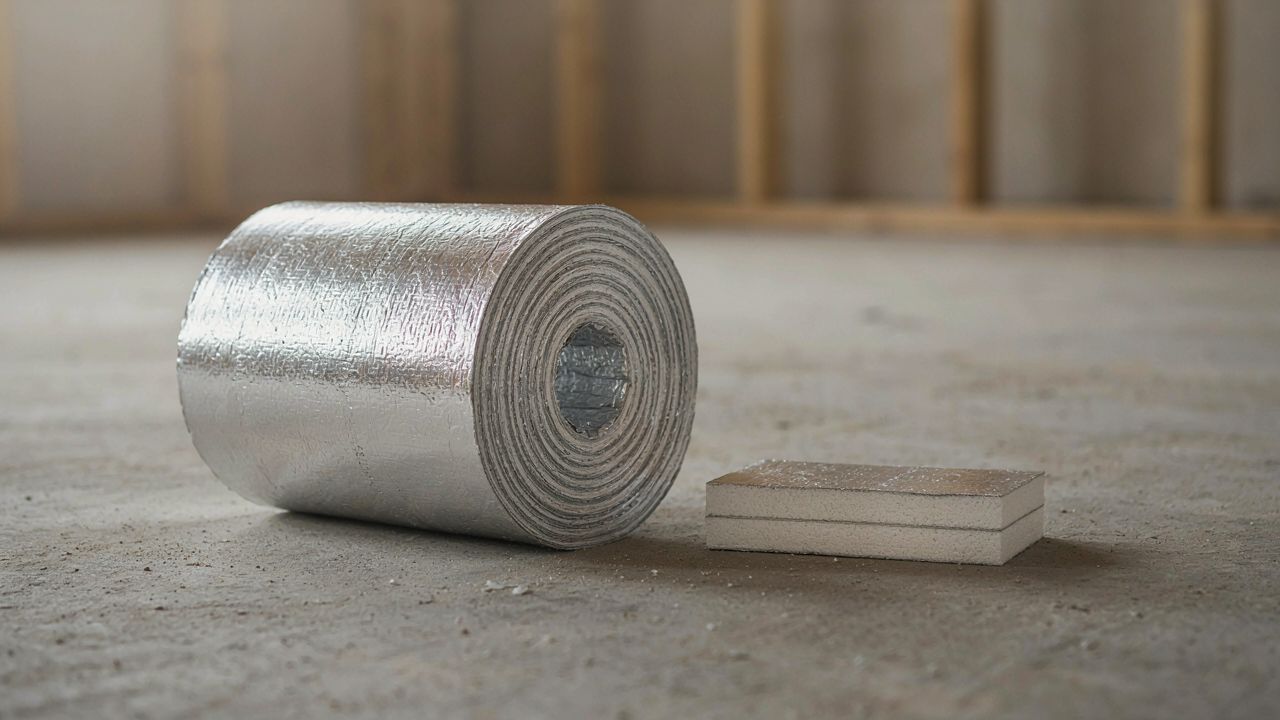
The material consists of two distinct components: a reflective layer and an insulating base. They affect heat transfer differently, so the entire assembly must be evaluated, not just the appearance of the roll.
Foil reduces radiant heat transfer only if there is an air space next to it. The reflective side must face this gap rather than being sandwiched between layers. If it is in tight contact with the finish, heat is transferred through the touching materials, limiting the reflective effect.
The size and location of the gap depend on the wall, ceiling, or system design. These are determined by project specifications and manufacturer instructions, not chosen at random.
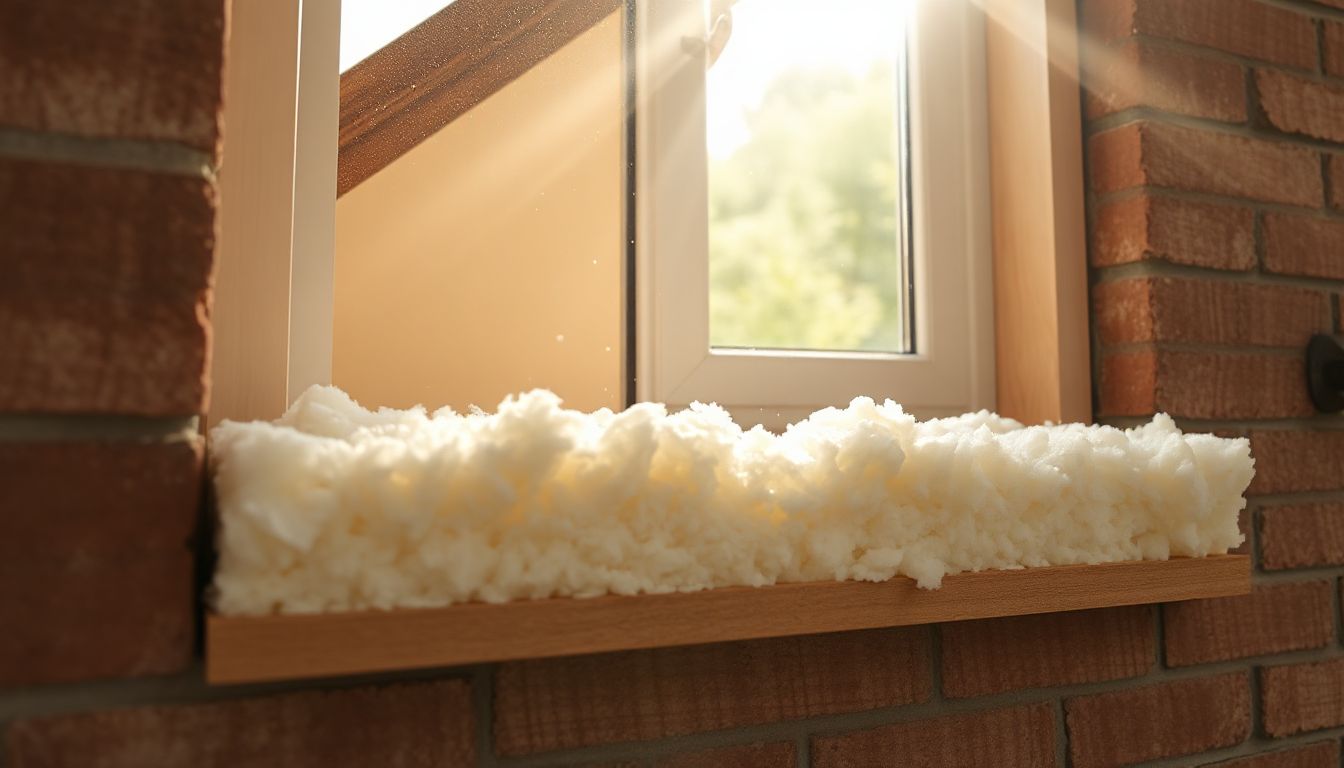
Thermal insulation properties depend primarily on the base material: foamed polymer, mineral wool, or another substance. The result is influenced by its thickness, thermal conductivity, and installation quality. If the base is thin, the reflective layer does not turn it into a substitute for thick insulation.
Surface sheen and foil thickness alone do not indicate how well the material insulates. Compare data for the specific product and consider its role within the multi-layer assembly.
Check the technical data sheet for thermal conductivity, thickness, and intended use. Permissible operating temperature, water absorption, and fire performance ratings are also important. Verify these figures for the specific brand, as parameters can vary even among materials of the same type.
There is no single material suitable for all rooms and structures. When making your selection, consider the substrate, installation method, and operating conditions.
Foam polymer rolls and sheets are used as supplementary thermal insulation, underlayment, or pipe lagging. Such solutions can reduce heat loss in specific areas, provided they are suitable for the temperature and installation conditions. Check the product data sheet for material properties and permissible thickness.
For walls and floors, it is important to evaluate the entire assembly beforehand. A single thin layer does not always provide adequate protection against the cold.
Foil-faced mineral wool mats and boards are used where both the base material's properties and a reflective layer are required. They are suitable for specific walls, floor/ceiling assemblies, or technical areas, provided the material meets temperature and installation requirements. Always verify fire safety ratings using the documentation specific to the chosen product.
Foil facing does not render all materials non-combustible. Consider the fire hazard class and the requirements for the assembly as a whole.
Self-adhesive sheets simplify installation on a suitable, clean substrate. Specialized products are available for air ducts, piping, and high-temperature environments. Ease of installation does not eliminate the need to verify temperature limits and the compatibility of the adhesive layer with the surface.
Base your decision on the structure and operating conditions, not just the name of the room. The same material may be suitable for one area but unsuitable for an adjacent one.
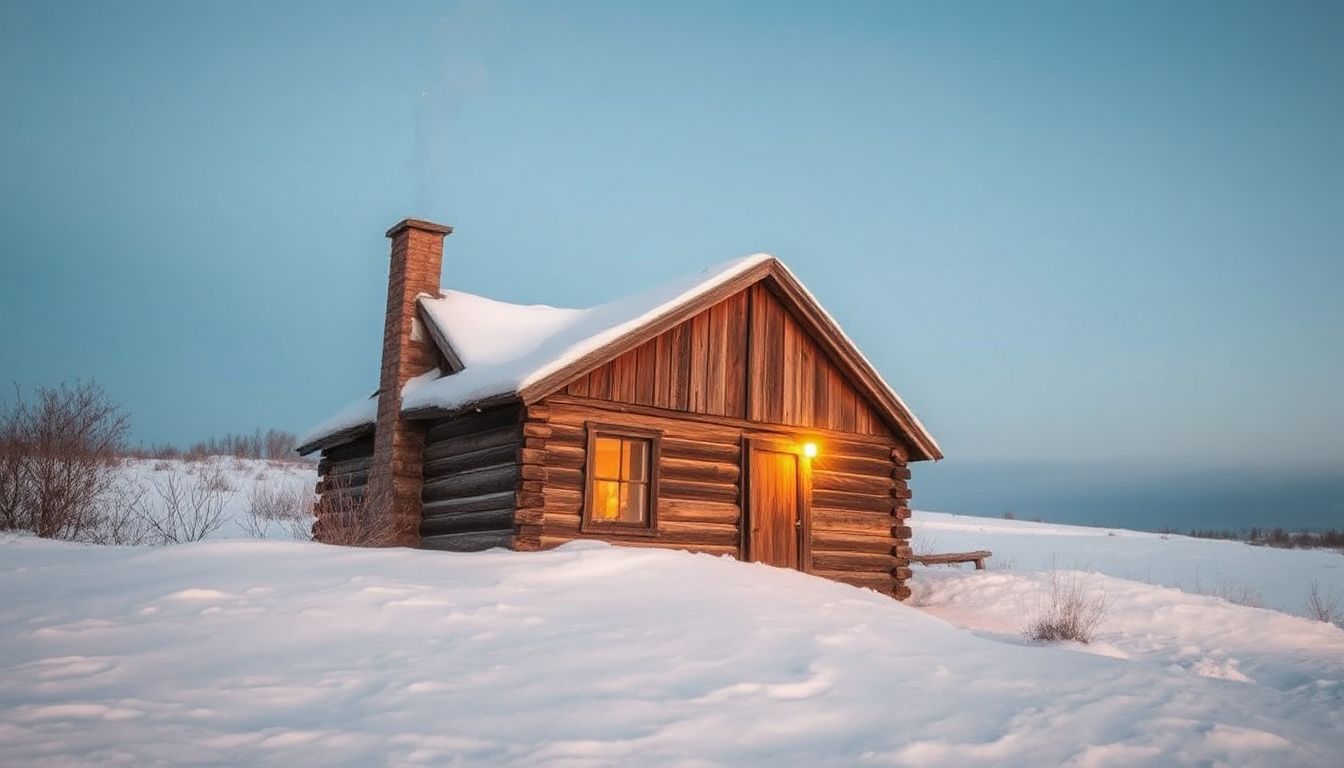
For a sauna, maintaining the correct temperature, ensuring moisture protection, and sealing joints tightly are crucial. The wall or ceiling assembly must comply with the project design and the manufacturer's instructions. Do not install combustible materials near the stove or chimney without observing the required fire safety clearances.
High-temperature areas require materials specifically designed for such conditions. For assemblies near the stove, follow project specifications rather than general insulation advice.
Insulating pipes helps reduce heat loss and the risk of condensation. This requires the right material and thickness, and joints must be sealed without gaps. Performance also depends on pipe diameter and installation conditions.
When insulating air ducts, ensure that necessary openings remain unobstructed and that components requiring inspection stay accessible. Select insulation based on temperature and humidity levels.
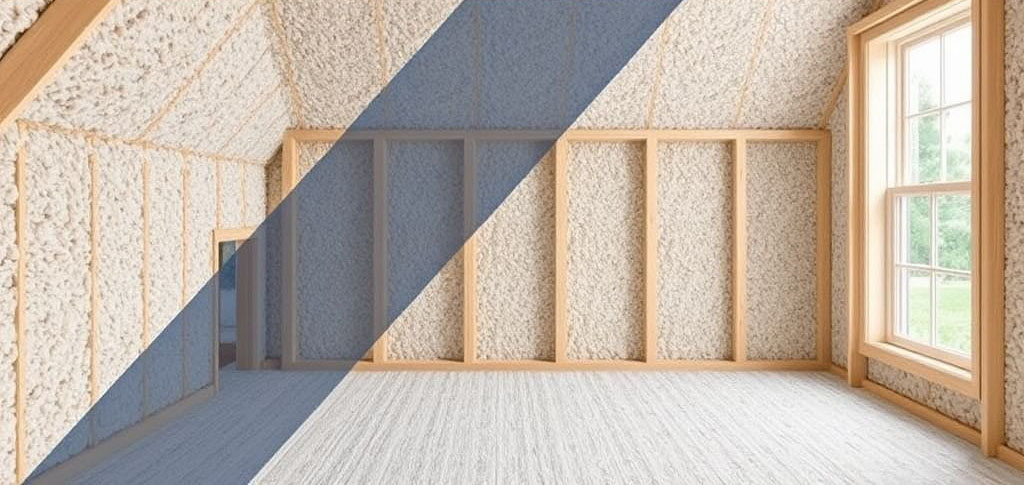
In a home, foil-faced material is typically part of a multi-layer system rather than a replacement for the primary insulation. Calculations depend on the climate, wall materials, ventilation, and the risk of moisture accumulation. Incorrect layer placement can lead to dampness within the structure.
Before purchasing, identify where heat loss occurs and the specific function the material needs to perform. For comprehensive insulation, consider the entire assembly rather than just the thickness of a single roll.
First, define your material requirements; then, compare products and calculate the cost of necessary accessories. This makes it easier to avoid purchasing insulation that is unsuitable for the installation conditions.
Note where the material will be installed: on a wall, ceiling, floor, pipe, or air duct. Clarify the operating temperature, potential moisture exposure, substrate type, and available thickness. This information will immediately rule out unsuitable options.
Review the technical data sheet, intended application, and thermal conductivity ratings. Check the permissible temperature ranges, water absorption rates, and fire safety properties. Cross-reference any claims about replacing thick insulation with thin foil against structural calculations and manufacturer data.
Include fasteners, suitable seam tape, and battens (if required by the design) in your cost estimate. When cutting the material to size, allow for trimming and waste. Skimping on tape or fasteners can leave joints exposed and reduce the insulation's effectiveness.
Installation depends on the substrate and location, so start by studying the manufacturer's instructions. A general workflow helps with preparation but does not replace the specific installation scheme for your particular structure.
The substrate must be prepared to suit the chosen fastening method. Cut the material to fit the structure and install it with the correct side facing the right way, following the instructions. The fixing method depends on the product: fasteners, adhesive, or battens may be used.
Seal joints using tape that is compatible with the facing material and operating conditions. If the structure requires an air gap, ensure it remains positioned correctly and continuous. Do not determine the gap width arbitrarily; refer to the project specifications and the manufacturer's recommendations.
Do not block ventilation openings or assembly points requiring inspection access with insulation material. Observe fire safety requirements and necessary clearances near wiring, heating elements, and chimneys. If you are unsure about an assembly detail, consult the project plans before installation.
What should you check before purchasing and installing? Foil-faced insulation is suitable for specific applications but does not perform the same way in every type of structure. The reflective layer is more effective when an air gap is present, while heat retention is primarily provided by the base material itself, based on its specific thickness and thermal conductivity.
Before purchasing, determine the installation location, check the technical specifications, and calculate the assembly layers. Then, select the appropriate fasteners and tape, and carry out the installation according to the instructions. Following this process will help you choose the right material without unnecessary expense and achieve the desired result.
Previous article
DIY Home Repairs: Which Tools to Buy for Various Tasks
Next article
Real Estate Tax in Ukraine in 2026: Check the Amount and Payment Deadline
Want to stay up-to-date on all the latest news in construction, design, renovation, and energy efficiency? Subscribe to the Kedr News Telegram channel.
 subscribe