admin
2026-10-29 | 0 comments
Share this:
Contents
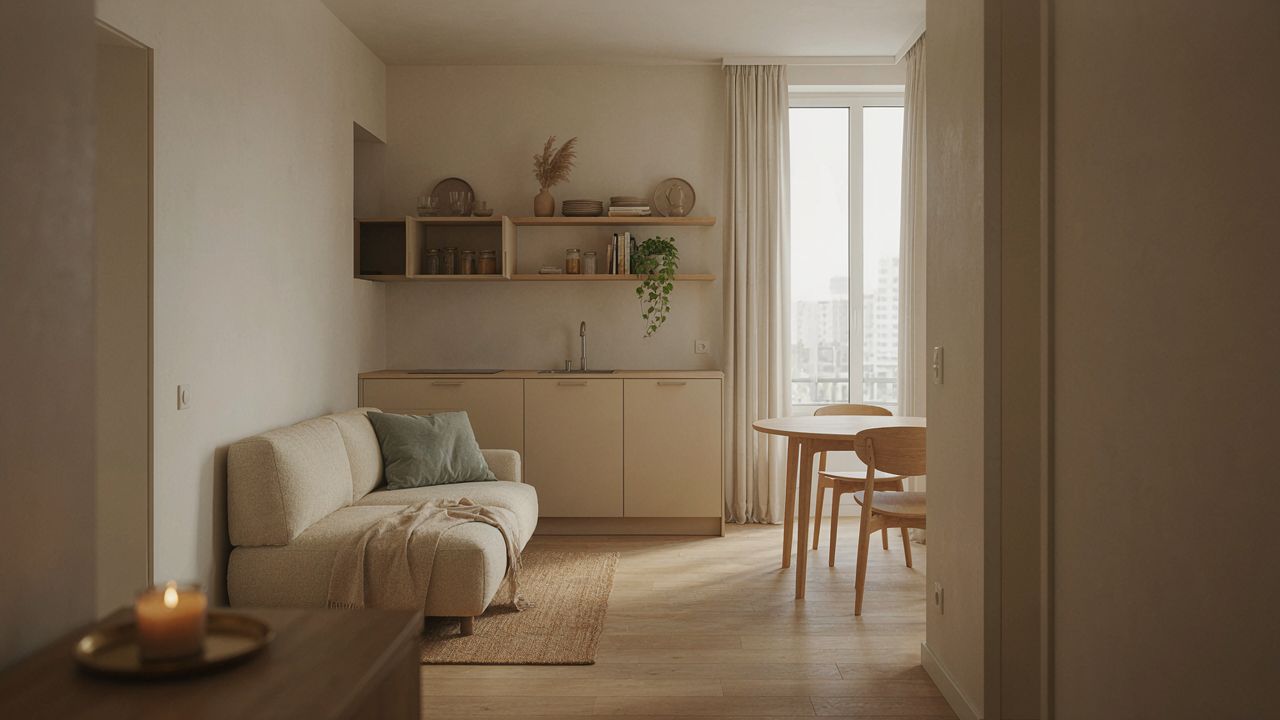
In a small apartment, it’s easy to run into a common challenge: how do you fit a sofa, a bed, a desk, and all your belongings without blocking the walkways with furniture? Stylish solutions for small apartments start with a floor plan, not with the purchase of attractive accessories.
A well-thought-out layout, appropriately sized furniture, good lighting, and convenient storage solutions help you make the most of every square meter. These ideas are suitable for studios, one-room apartments, and compact homes for families.
Choose solutions that fit your lifestyle. If you frequently work from home, a dedicated workspace is more important than an extra armchair. If children live in the apartment, you will need clear, accessible walkways and easy-to-reach storage spaces.
First, determine what activities take place in each part of your home—whether it’s sleeping, relaxing, working, cooking, or storing items. This will make it clearer what kind of furniture you need and where it should be placed for maximum convenience.
Trying to pack too many items into a space often makes it difficult to use the room effectively.In a studio or one-room apartment, you can define different zones without building permanent partitions. Options include using a rug in the living area, a pendant light over the dining table, or an open shelving unit to separate the sleeping area. These techniques are also recommended in guides on studio apartment layouts: furniture and lightweight dividers help delineate specific functions while allowing natural light to flow through.
You can also create cohesion by repeating the same color in the textiles and decor across different zones. An open shelving unit lets light pass through while keeping the bed out of direct view. If privacy is a priority, consider hanging a thick curtain from a ceiling-mounted track.
A living room can double as a bedroom if the sofa is easy to unfold and there is enough space around it. A dining table can serve as a workspace, provided there is a power outlet nearby and a comfortable chair. It is best to choose furniture that adapts to your daily needs, rather than focusing on rare, occasional use.
HGTV’s collection of ideas for compact interiors features examples such as built-in beds, benches with integrated storage, and multifunctional furniture pieces.
However, multifunctionality is only useful if an item is convenient for everyday use. A complex mechanism that constantly requires you to clear away objects before you can use it will quickly become a source of frustration.Before rearranging your space, measure the length and width of the room, as well as the dimensions of doorways, windows, and radiators. Note the direction in which doors open and drawers extend. This will help you spot potential issues—for instance, realizing that a wardrobe placed next to a bed might prevent its door from opening fully.
Sketch a floor plan on paper, or use painter’s tape on the floor to outline the dimensions of your furniture. Check whether you have easy access to windows, the kitchen, and your storage units. This step allows you to evaluate the scale of your furniture before making a purchase, helping you avoid a cramped layout.
When selecting furniture, consider both its appearance and its size. Too many small pieces can make a room feel fragmented, while an oversized sofa might block a walkway. Balance the width of your furniture against the total floor area, and ensure there is enough space left for your daily activities.
A bed with pull-out drawers is perfect for storing bed linens or seasonal items. An ottoman can house extra throws, while a bench near the entryway is ideal for shoe-care supplies. A coffee table with a shelf helps keep books and remote controls off the tabletop surface.
An additional functional area should not complicate the everyday use of the room.Check that drawers open easily and that you can access your belongings without having to move other furniture. It is often best to keep frequently used items in plain sight or at a height that is easy to reach.
A drop-leaf or wall-mounted fold-down desk frees up space after work, while folding chairs can be tucked away in a closet or hung on a wall. An extendable table is convenient to open up when guests arrive. A sofa bed is a good choice, provided it is easy to unfold and leaves enough room for a clear passageway.
Before making a purchase, check the dimensions of the furniture in both its folded and unfolded states. Ensure that a table does not block a doorway and that the sofa’s unfolding mechanism does not collide with a nightstand or other furniture. Spending a few minutes with a tape measure can save a great deal of space—and effort.
A single, spacious sofa is sometimes more practical than a pair of armchairs and a small loveseat. However, a model that is too deep can make an interior feel heavy and consume valuable floor space. Furniture on legs can appear lighter, as the floor remains visible underneath.
Consider the width of walkways and the paths you typically take through your home. If a room is narrow, avoid placing large items directly opposite one another. It is better to select pieces that coordinate in terms of height and color, rather than assembling a collection of mismatched furniture.
Start by evaluating your belongings: what do you use daily, what is needed seasonally, and what hasn’t been used in a long time? Then, choose cabinets and organizers based on the actual volume of items you own, rather than on potential future purchases. The easier it is to find and put away an item, the simpler it becomes to maintain order.
A tall cabinet provides more storage without taking up extra floor space. Use the upper shelves for items like suitcases, spare bedding, or seasonal clothing. Keep frequently used items within reach so you don’t have to pull out a step ladder every time you need something.
You can also utilize the space above a door or window, provided that any shelving doesn’t interfere with opening them. In the kitchen, a wall-mounted rail is perfect for keeping spatulas and oven mitts close at hand. The key is to avoid turning every available wall into a storage area—overloaded shelves create unnecessary visual noise.
The area under the bed is ideal for storing items in boxes or drawers equipped with casters.
You can store throws and bed linens under a sofa, provided the design allows for easy access to the compartment. A niche can be used for shelving, a narrow cabinet, or a compact workspace.Before purchasing storage containers, measure the height and depth of the available space. Ensure that frequently used items remain easily accessible; if a drawer requires significant effort to pull out, the storage system will quickly become inconvenient.
Closed cabinets and cupboards help keep cords, documents, and miscellaneous household items out of sight. Use baskets and dividers inside to prevent items from getting jumbled. Group objects by function—for example, keep cleaning supplies together and store all your chargers in a single organizer.
Every few months, review the contents of your shelves and cabinets. Items that haven’t been used in a long time take up space that could be used for things you actually need. The fewer random odds and ends left on open surfaces, the more organized and cohesive a room will look.
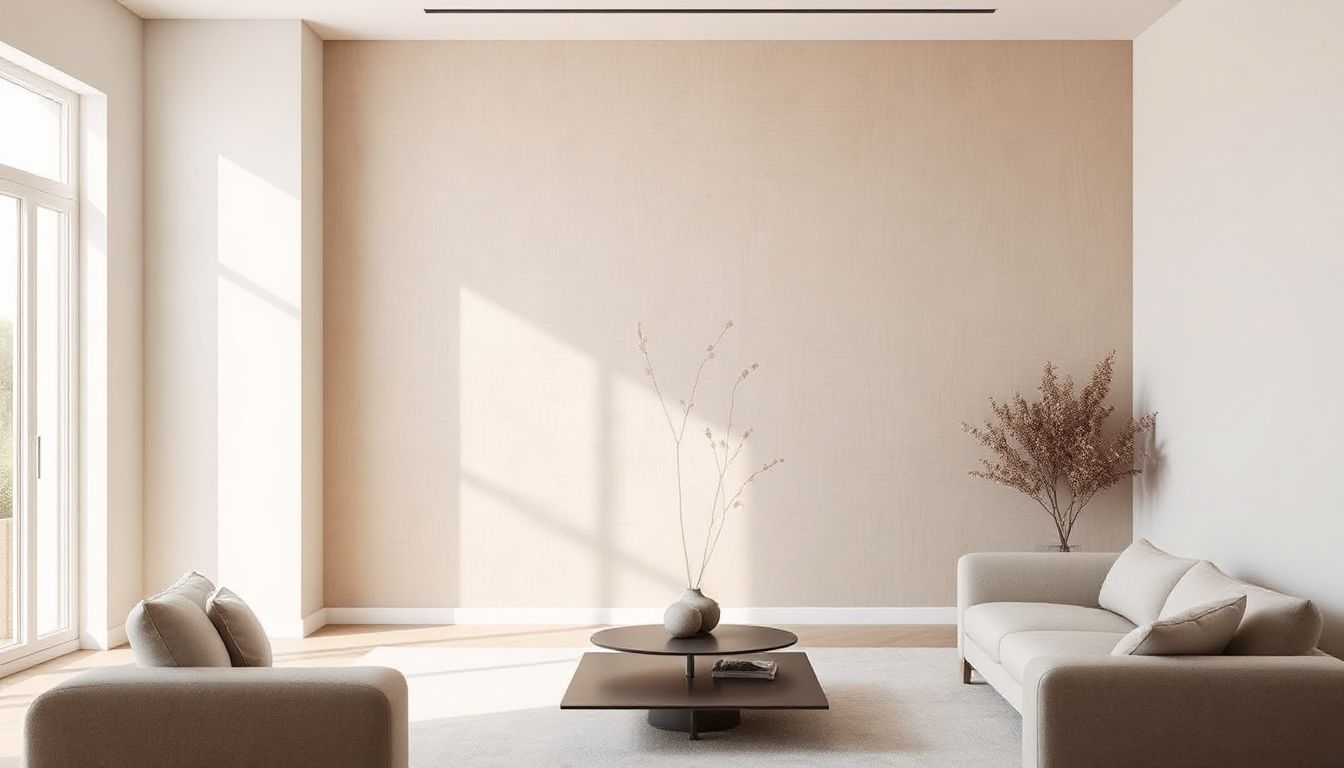
Light-colored finishes help a room feel open, but you don’t have to limit yourself to white. It is more important that the shades harmonize, that light reaches the right areas, and that textures complement rather than clash with one another. Even a bold, saturated color can look perfectly appropriate if used as a targeted accent.
Choose base tones for your walls, large furniture pieces, and flooring, then add one or two accent colors. For instance, gray-beige walls can be complemented by green textiles and warm-toned wood.
Repeating these colors throughout the kitchen and living room will create a more cohesive feel in your apartment.If you want bold-colored walls, consider highlighting just one area or a niche. You don’t have to paint every room the same way, but using similar shades will help avoid jarring transitions. A neutral base also makes it easier to update your decor later on.
A single ceiling light is often insufficient for various activities. Supplement general lighting with a desk lamp for your workspace, wall sconces by the bed, and task lighting for kitchen surfaces. This allows you to illuminate specific areas without having to turn on all the overhead lights.
Avoid heavy curtains if you want to maximize natural daylight. Sheer drapes or roller blinds provide privacy while still letting in plenty of light. Wall-mounted fixtures are also a great choice, as they don’t take up floor or table space.
Placing a mirror opposite a window can reflect daylight and add visual depth to a room. Transparent tables or chairs with slender legs keep the space feeling open and unobstructed. However, there’s no need to cover every surface with mirrors—a single, well-placed piece is enough.
Textures add character to an interior without the need for clutter. For example, try combining smooth cabinet fronts, a wooden countertop, and a soft throw blanket. A few well-chosen, distinct textures create a more balanced look than an abundance of small decorative items.
A great interior can be simple while still reflecting your personal style. Choose a design approach that suits the way you live—consider how often you host guests, whether you work from home, or if you prefer open shelving.
Comfort is more important than strictly following fashion rules.Minimalism helps you keep only the essentials, while Scandinavian style combines a light-toned base with natural textures. A modern interior might feature compact furniture, simple shapes, and a bold accent.
These approaches do not require you to replicate an entire, pre-designed room.
Identify a few design elements you like and repeat them across different areas. For instance, you might choose a specific wood tone for both a table and some shelves. This creates a cohesive look throughout the apartment, even if the furniture was purchased at different times.
A poster above the sofa, a vibrant light fixture, or a colorful chair can serve as the room’s centerpiece. Choose other decor items that complement this focal point. If there are too many eye-catching pieces, the eye has nowhere to rest.
Seasonal textiles are a great way to refresh your interior without major purchases. Swap out pillow covers or a bedspread whenever you want to shift the mood. Before buying, ensure the new item fits well with your existing color palette.
Start by addressing walkways and the overall layout, then move on to storage and lighting. Add decor only after the essential pieces are in place. This approach helps prevent the purchase of items that ultimately have no designated spot.
Before making any purchase, measure both the room and the item itself. Check the dimensions against your floor plan, accounting for things like door clearance and access paths to windows. If an item doesn’t serve a clear purpose or obstructs movement, it’s better to skip it.
A small apartment can be both stylish and functional. A comfortable interior relies on a well-coordinated balance of layout, furniture, storage, lighting, and decor. Consider how you use your rooms, keep walkways clear, make the most of vertical wall space, and select furniture that is appropriately sized for your home.
Include a few special touches that truly bring you joy.
Start by taking measurements and creating a simple floor plan of your apartment. Then, modify one inconvenient area and see if it becomes easier to use. Good design doesn’t require extra square footage—it adapts to the habits of those who live there.
Previous article
Smart Home: How to Design a Comfortable and Secure Living Space
Next article
How to choose the best wall insulation in Ukraine without overpaying
Want to stay up-to-date on all the latest news in construction, design, renovation, and energy efficiency? Subscribe to the Kedr News Telegram channel.
 subscribe