admin
2025-09-11 | 0 comments
Share this:
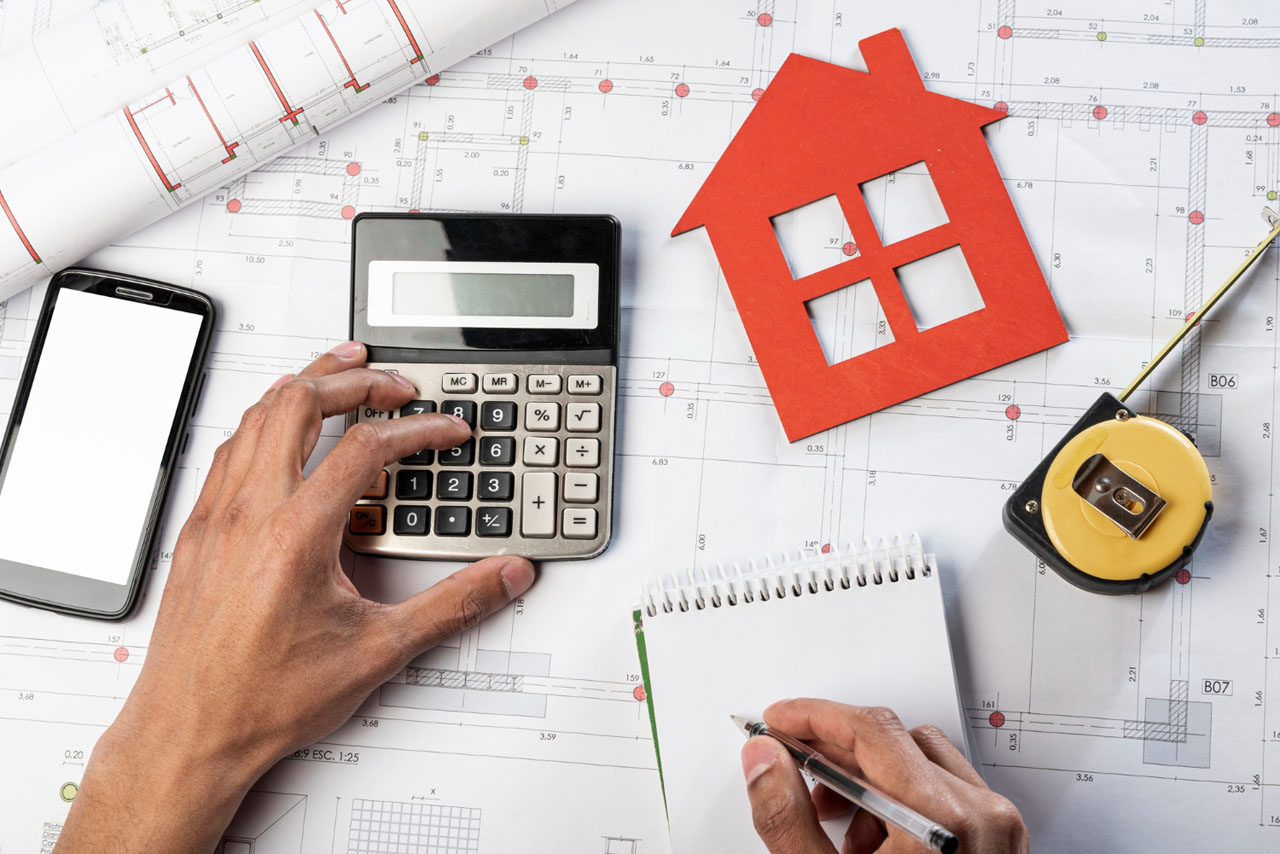
Do you dream of updating your home, making it cozier or more modern? This is a wonderful desire! But almost everyone who thinks about repairs faces one big fear: how much will it cost? Unexpected expenses can ruin all plans. An accurate estimate helps you plan calmly, avoid stress, and complete the project successfully.
Estimating the cost of a renovation isn't just a simple calculation of the price of wallpaper or tiles. It's a complex process. It includes many factors, from materials to labor costs. Understanding these nuances will help you be prepared for anything. Our guide will help you navigate all the intricacies. You'll be able to avoid common mistakes and get a realistic figure for your budget.
Knowing exactly what you want to do is crucial. The clearer your vision, the more accurately you can estimate the cost. Write down every detail that comes to mind.
Walk through each room of your home. What needs to be changed in the kitchen? Maybe the bathroom needs a complete remodel? For each area of the house, make a detailed list.
Here is a checklist for different rooms:
Choosing the type of home renovation greatly affects the budget. Do you understand the difference between them? Cosmetic renovation is the simplest, while designer renovation is the most expensive.
Some work is often forgotten during the first calculation. However, they can greatly increase the final amount. Take them into account in advance.
This includes insulation of walls or floors. Soundproofing is also important, especially if you have noisy neighbors. Replacing old utilities like pipes or wiring is a necessity, not a whim. Consider ventilation or air conditioning. If you own a private home, it might be worth including landscaping or repairing the paths on the property.
Many things can change the final cost of renovations. Not only the work itself, but also the choice of materials or even the location of the house. Let's consider these variables.
The quality and brand of materials directly affect your budget. From the cheapest to the elite - the price can vary significantly. What materials do you want to use?
For example, ordinary paint is much cheaper than designer wallpaper. Laminate is more affordable than natural parquet. Mass-market sanitary ware differs in price from elite brands. The difference in cost between mid-priced tiles and designer tiles can reach 300%. Carefully choose what you really need.
If you want something custom, it will cost more. Exclusive design always increases the budget. Simple straight walls or multi-level ceilings?
A custom design project certainly costs money. However, it helps avoid many mistakes in the future. The designer thinks through every detail. These could be niches, arches, or complex shapes. Remember, even if the cost seems higher, a design project saves money in the long run. It prevents mistakes and alterations.
The cost of home renovation greatly depends on where you live. In big cities, prices are always higher. This applies to both work and materials.
In Kyiv, you will see one set of prices. In smaller regional centers, they will be significantly lower. This applies not only to the wages of builders. Delivery of materials and their cost also vary. Always consider the market conditions in your area.
You can hire professionals or do it yourself. Each approach has its pros and cons in terms of budget and time.
If you hire a crew, they may offer different payment methods. It is important to understand how they calculate their services.
Some charge hourly, others per square meter. Sometimes a fixed price is set for the entire scope of work. Always ask for a detailed estimate. Be sure to sign a contract. It should outline all the work, deadlines, and cost. This will protect you from unpleasant surprises.
Doing renovations yourself seems like a way to save money. But is it really? The benefits aren't always clear.
You'll have to buy tools, which can be expensive. You'll need to spend a lot of time learning new skills. The risk of errors is very high. For example, a mistake while laying tiles can lead to additional costs for materials and removal. These expenses can be comparable to the cost of an experienced craftsman.
To choose the best team, request proposals from several contractors. This will help you find the best option.
Create a detailed technical specification. Describe all the work, materials, and deadlines. Send it to several contractors. Carefully study their commercial proposals. Look at the detail of the estimate, completion dates, and warranties. Compare prices and terms before making a decision.
Materials are a large part of the budget. Accurately calculating their quantity will help you avoid unnecessary expenses.
Start with a detailed list of everything you will need. Think about every detail.
Calculate the number of wallpapers, taking into account the pattern matching. Always have a small reserve of about 5-10% for tiles. This is necessary in case of defects or trimming. The same applies to flooring. Don't forget about mixtures: plaster, putty, adhesive. Calculate the paint, fasteners, and consumables.
Leftover materials are a waste of money. Shortages lead to work stoppages and additional delivery.
Use online calculators to calculate materials. Buy with a small reserve of about 5-10%. Take into account the waste that is inevitable during cutting and installation. It is better to have a little extra than to urgently buy what is missing.
Saving on materials is possible, but wisely. Compare prices and look for great deals.
Compare prices at different hardware stores. Search online. You can often buy materials at large hardware stores, especially during sales. Some manufacturers offer discounts for bulk purchases. Buying everything at once can be more profitable than buying in parts.
Renovations almost never go without surprises. Always set aside money for unexpected expenses. This is your financial safety net.
What percentage of the total estimate should you set aside? Experts recommend 10-20%. This is a reasonable figure.
Examples of situations that incur additional expenses: hidden defects (old wiring, cracks in the walls), changes in plans during the process, tool breakage. It's better to have this money than to face unplanned downtime.
It's important to track your expenses at every stage. This will help you avoid serious budget overruns.
Keep a spreadsheet of expenses. Write down every expense, even the smallest ones. Regularly compare the estimate with how much you've already spent. If you see that you're going over budget, make decisions immediately. You may need to adjust your plans or find cheaper materials.
Estimating the cost of a home renovation can seem like a daunting task. But it's quite possible if you approach it wisely. Start by determining the scope of work. Consider all the factors that affect the price. Carefully calculate the cost of labor and materials. And most importantly, don't forget to add a reserve for unforeseen expenses.
Remember that careful preparation and planning are your best friends. This is the key to a successful and cost-effective renovation. Now that you have this knowledge, you're ready to begin evaluating your project. Your ideal home is closer than you think!
Previous article
How to Design a House Plan: A Step-by-Step Guide for the Future Homeowner
Next article
What is home insulation: comfort, savings, durability
Want to stay up-to-date on all the latest news in construction, design, renovation, and energy efficiency? Subscribe to the Kedr News Telegram channel.
 subscribe