admin
2026-07-09 | 0 comments
Share this:
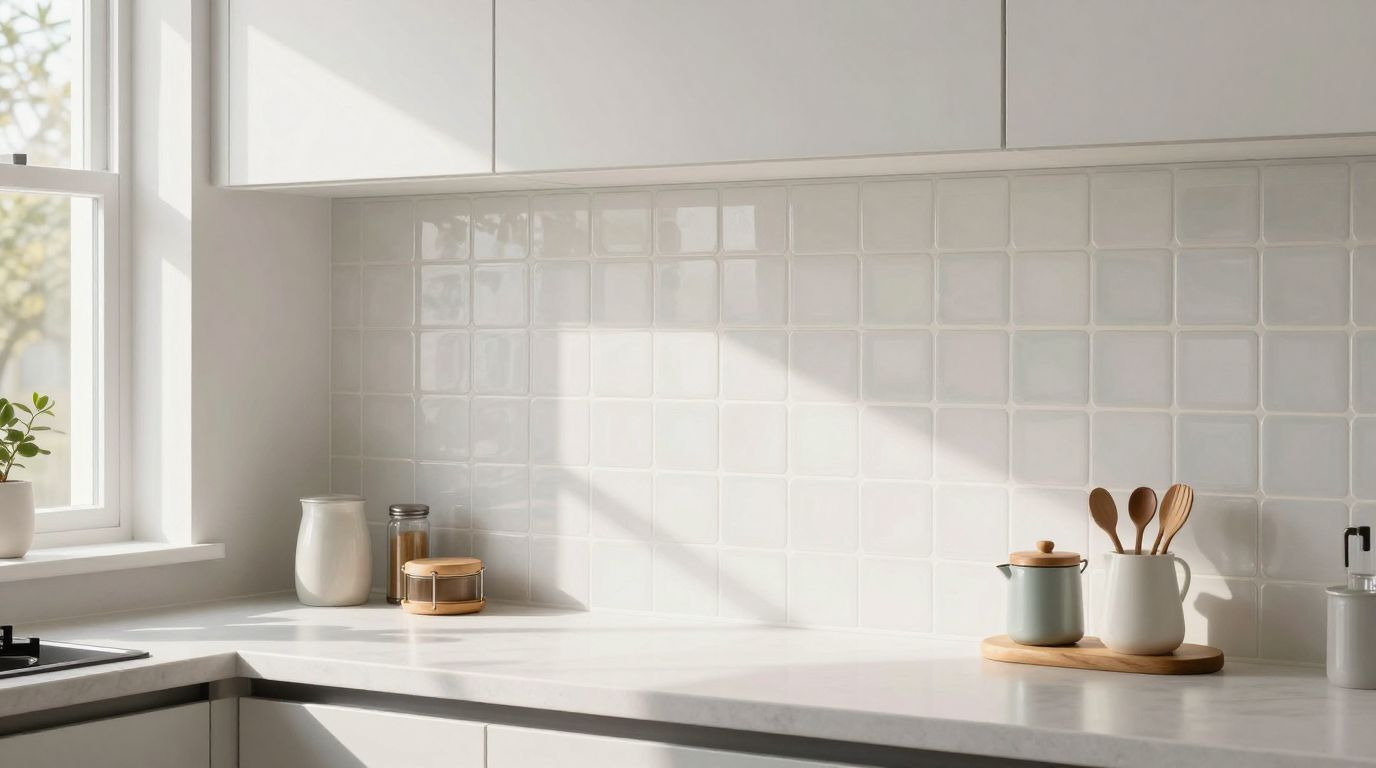
If you are planning a renovation, the question of how to choose tiles for your kitchen in Ukraine becomes central. The kitchen is a place with high humidity, constant temperature changes and the risk of grease getting on the surfaces. A properly selected finishing material must withstand such loads while remaining an aesthetically pleasing element of the interior.
The Ukrainian market offers a huge selection of products from both domestic manufacturers and European brands. To avoid getting lost in this diversity, it's important to understand what characteristics to look for. Kitchen tiles should combine durability, safety, and ease of maintenance to last a long time and delight with their appearance every day.
The choice of material determines the durability of the coating. For the kitchen, it is important to consider the operating conditions of each zone.
Ceramic tiles are the most popular option. They are affordable and available in a huge variety of colors and textures. They are made of fired clay and covered with glaze. This makes it moisture-resistant, but the glaze may crack under strong impacts. It is excellent for walls, especially for backsplashes.
Porcelain tiles are the choice of those who prioritize durability. They are produced under high pressure and extreme temperatures. They absorb virtually no water and can withstand enormous loads and impacts. Porcelain tiles are ideal for floors, especially if you have a lot of appliances or high traffic.
Natural stone, such as granite or slate, has a prestigious and exclusive look. However, it requires special care and regular treatment with special compounds to prevent it from absorbing grease and dyes. This is the choice for those willing to invest in a premium look and durability.
Glass tiles or mosaics add sparkle to the kitchen and visually expand the space. They reflect light beautifully. However, due to the large number of grout lines, it is best used only for backsplashes or decorative inserts, as cleaning grout in areas prone to frequent dirt is quite labor-intensive.
Tile size affects not only appearance but also ease of installation and subsequent use.
Small tiles and mosaics create a cozy atmosphere and allow you to zone the space. They look good in classic or Provencal interiors. But remember that the smaller the individual tiles, the more grout lines there are. This means you will have to clean the grout more often, especially in the work area.
Large-format tiles are a modern choice. They create the effect of a seamless surface and visually expand even a small kitchen. A minimum of grout lines simplifies cleaning: there is less space for dirt and grease to accumulate. Large format tiles require perfectly flat walls or floors for high-quality installation.
Rectangular and square tiles remain universal classics. Rectangular elements laid horizontally can visually expand a wall, and vertically - raise the ceiling.
Non-standard shapes, such as hexagons (honeycomb) or "fish scales", create a unique design. They become the main accent in the interior. However, keep in mind that laying such tiles is more difficult, and the amount of waste when cutting may be higher.
The color of the tile should be in harmony with the kitchen set and the overall style of the house.
Light tiles make the room bright, spacious and clean. Any kitchen fronts look beautiful against a white or beige background. But be prepared for any dust or splashes to be visible on a light surface.
Dark tiles add depth and elegance to the interior. They hide minor stains well, but require good lighting, otherwise the kitchen can look gloomy. Dark tones are best used as an accent, for example, on a backsplash or one of the floor areas.
Tiles imitating natural materials are an excellent compromise. Wood-effect porcelain tiles offer the warmth of wood and the practicality of stone. Concrete or stone imitation fits perfectly with industrial styles or minimalism.
Decorative tiles and panels help create accents. They can be bright or feature an unusual pattern. Use them sparingly to avoid overcrowding the interior. It is important that the decor design matches the style and color scheme of the main finish.
Always check the markings on the packaging before purchasing.
The wear resistance class is designated as PEI. For walls, class I or II tiles are sufficient, since they are not subject to mechanical loads. For the kitchen floor, choose class III or IV tiles. They will last a long time even with active use.
Resistance to chemicals is important for the kitchen, since you will often have to clean the surface with household chemicals. Look for tiles with the AA marking. This means maximum resistance to acids and alkalis.
The surface type determines safety. Glossy tiles have a beautiful shine, but they show traces of water and grease, and they can be slippery on the floor. Matte tiles are more practical, they show dirt less, and they are non-slip. Embossed tiles look interesting, but they are more difficult to clean from dried grease.
For the easiest cleaning, try to choose models with a minimum number of seams and use high-quality epoxy grout. It does not absorb moisture and dirt, which significantly simplifies maintenance.
The kitchen tiles market in Ukraine is very saturated. You can choose between large specialized showrooms and online stores.
In showrooms, you have the opportunity to see samples in person, evaluate the texture and true color. You can also get professional advice there. Online stores often offer better prices and a wider selection. It is best to combine: choose a collection in the showroom and order online.
When purchasing, be sure to inspect the tiles. The packaging should be intact, without visible damage. Open several packs to check the uniformity of the color and the absence of chips. Make sure the batch number on all boxes matches - this is critical for a consistent shade of tile.
Always calculate the required quantity with a reserve. Typically, add 5-10% for trimming and accidental breakage during transportation or installation. Using online calculators on sellers' websites will help make the calculation more accurate.
Choosing kitchen tiles is an investment in the comfort and functionality of your home. The combination of the right material, appropriate design, and excellent technical characteristics will provide you with a practical work area for many years to come.
Take your time with your choice; evaluate every aspect, from durability to ease of cleaning, and your kitchen will become not only beautiful but also as convenient as possible.
Previous article
How to Obtain a Construction Permit in Ukraine in 2026: A Step-by-Step Guide
Next article
Green Homes: How Energy-Saving Technologies Are Changing the Future
Want to stay up-to-date on all the latest news in construction, design, renovation, and energy efficiency? Subscribe to the Kedr News Telegram channel.
 subscribe