admin
2026-06-27 | 0 comments
Share this:
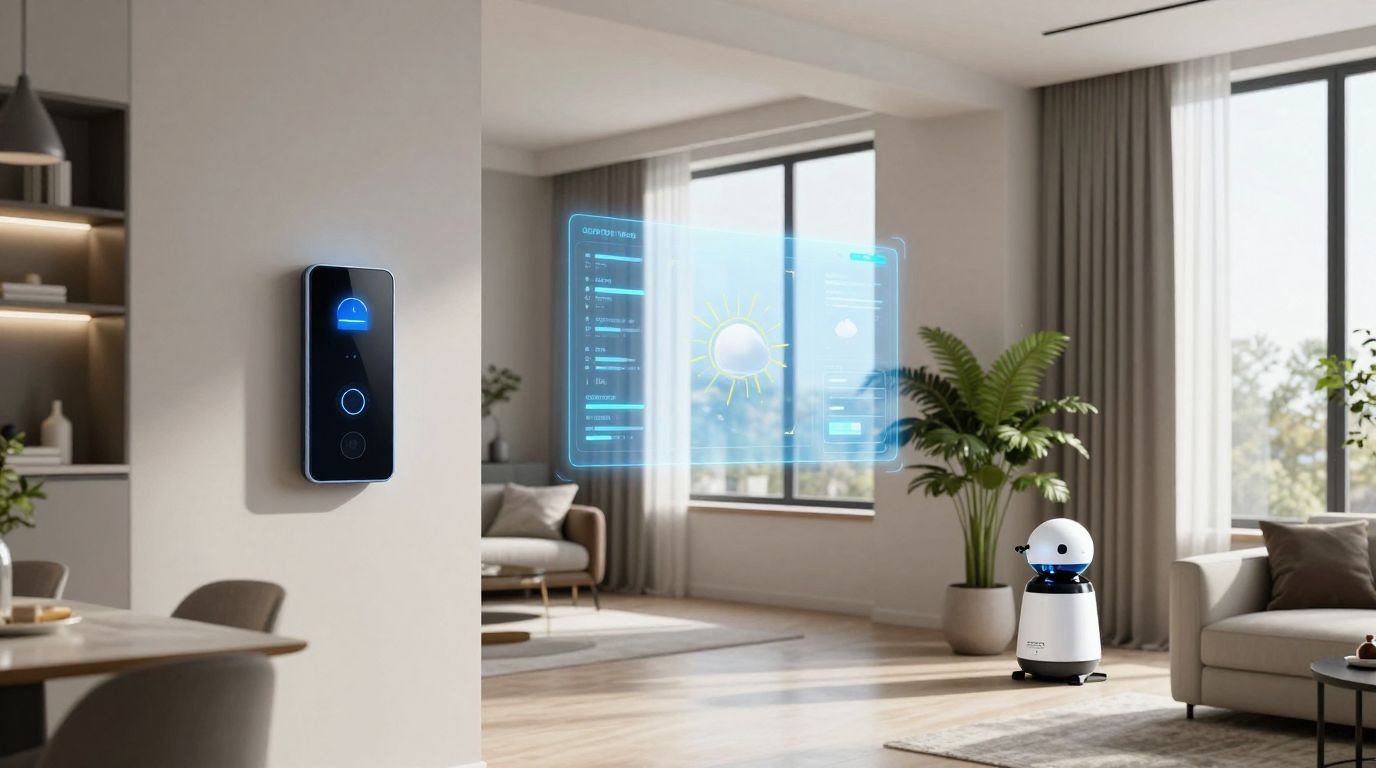
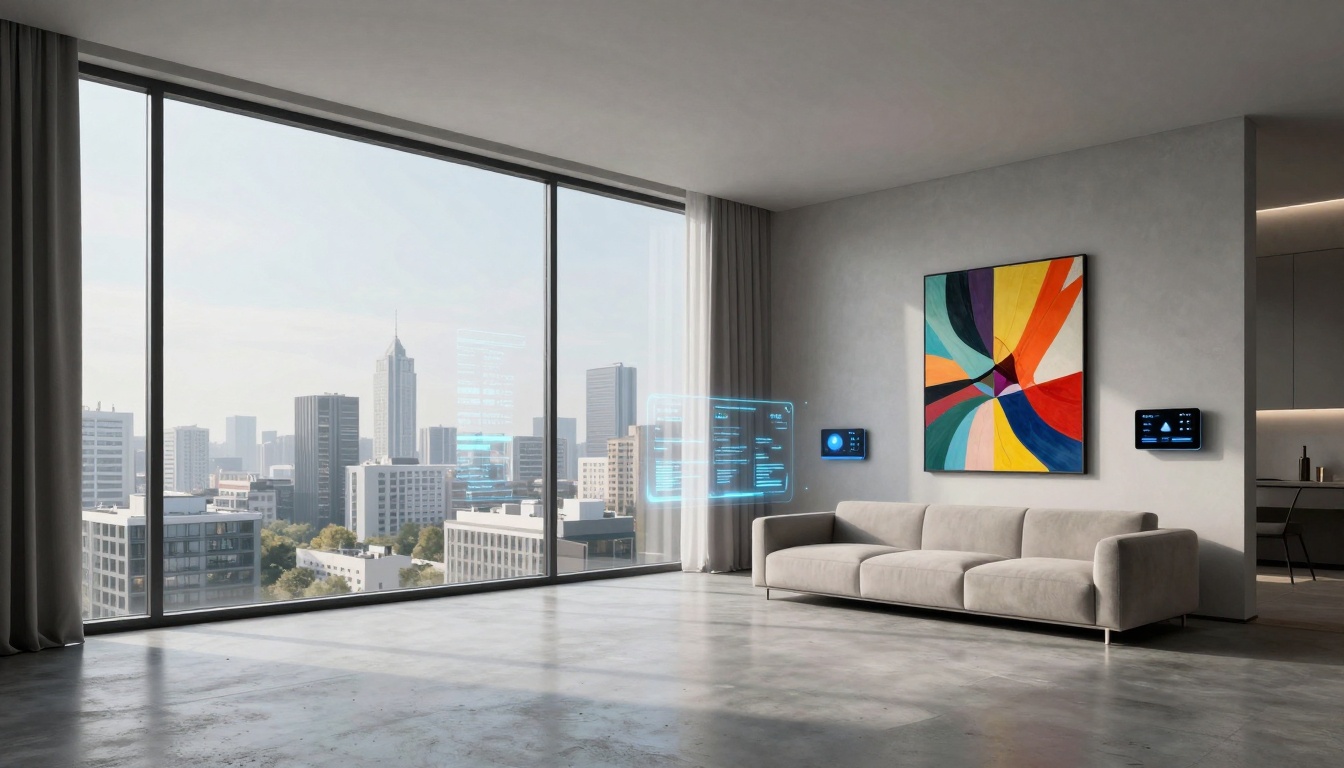
Just a few years ago, the concept of a "smart home" seemed like something out of a science fiction movie. Today, smart homes in Ukraine have become a reality, accessible not only to the elite but also to ordinary residents of new buildings. Technological advances and the pursuit of comfort have made such solutions the standard in the modern housing market.
2026 will be a turning point for the integration of smart systems into residential complexes. If you're hearing about these opportunities for the first time or are just planning to buy an apartment, this overview will help you understand what innovations await you and how they change the quality of everyday life.
Many people think that a "smart home" is a complex system requiring programming skills. In fact, it's much simpler. It's a set of devices that work together to make your life more comfortable and safe.
Any system is based on three elements: sensors, a controller (or hub), and actuators. Sensors collect information—for example, recording the temperature in a room or door openings. The controller processes this data and gives a command to the actuators: turn off the light, close the lock or change the heating mode.
The main tasks of such a system:
Interest in smart apartments in Ukraine is growing rapidly. People increasingly want not just "concrete walls", but a living space that takes care of them. The main factors of demand are the desire to save on utility bills and the need for security. Modern buyers value time and want to manage their home from anywhere in the world.
The main advantage of a smart home is real savings. An automated heating control system reduces energy consumption when you're not home. Water leak sensors will save you from costly repairs at your neighbors'. Video surveillance with smartphone access gives you peace of mind about your apartment, no matter where you are. Ultimately, you not only get comfort but also save money in the long run.
In 2026, developers will focus on ready-made solutions integrated into building infrastructure during construction. There's no longer a need to purchase complex components yourself.
Modern new buildings are equipped with systems that automatically adjust to the weather. If it gets colder outside, the heating system will increase heat output proactively. Occupancy sensors are installed in rooms - if no one is in the room, the system will reduce the temperature or turn off the lights. This makes life easier and helps significantly reduce energy bills.
Security has reached a new level. Smart locks that open with a fingerprint or code are now becoming the standard. Video surveillance is now equipped with intelligent analytics. The system can recognize the owner's face and open the door or report the presence of a stranger in the stairwell. Smoke and gas detectors are now integrated into the building's security system, which instantly alerts the security service or the owner.
Smart systems help create the right mood. You can customize lighting scenes for work, relaxation, or watching movies. Audio systems in different rooms can play different music or be combined into a common area. All of this is controlled by voice or a single app, making the space truly personalized.
Technology is changing rapidly, and today we see three main trends that are shaping the face of modern housing.
Artificial intelligence makes the home truly "smart." The system analyzes your habits. It understands what time you wake up and what temperature you prefer in the evening. Over time, you won't even need to give commands - the home will automatically adjust the lighting and climate to your schedule.
The concept of the "Internet of Things" connects all appliances into a single network. Your refrigerator can order groceries when they are running low, and your washing machine can start a program when electricity rates are lowest. The main requirement is that all these devices should be able to communicate with each other through a single control hub.
Voice control has become the most intuitive way to interact with your home. Now you don't need to look for your phone or press buttons on the panel. Just say: "Hi, turn on the light in the living room" or "Play music." Voice assistants understand Russian, making their use as convenient as possible for all family members.
Investing in smart housing is becoming profitable. An apartment with a ready-made control infrastructure is valued higher on the market than similar housing without such systems.
In 2026, buyers expect that a basic smart home system will be installed in their apartment by default. Developers include a control hub, leak detectors, smart switches, and door sensors in the standard package. This eliminates the need for new owners to install wiring or configure complex equipment from scratch.
The liquidity of real estate with smart technologies is growing. Buyers on the secondary market are more likely to choose apartments with pre-configured security and automation systems. This simplifies the selling process in the future and allows you to find tenants faster if you are buying a property for rent.
Choosing a smart home may seem complicated, but if you follow simple rules, you will make the right choice.
Choose a system that can be expanded. Today, leak sensors are enough for you, and tomorrow you will want to automate the curtains. Your system should support connecting new devices without replacing all the hardware.
Choose proven brands that have been operating on the market for a long time. It's important that the company offers high-quality technical support and regular software updates. This ensures that your system won't become obsolete in a couple of years.
Before purchasing, make sure the new system is compatible with what you already have. If you're used to using a specific voice assistant, check if the smart system of the selected residential complex works with it. Compatibility with communication protocols is what ensures the smooth operation of the entire building.
Smart homes in Ukraine are no longer something unattainable and have become a reliable tool for comfortable living. In 2026, such technologies became the standard, offering residents security, savings, and ease of space management.
If you're planning to buy real estate, pay attention to the level of integration of smart systems in the project. This isn't just a fashion statement, but a smart investment in your comfort, safety, and quality of life. Don't be afraid of new technologies—they're designed to make your life easier, leaving more time for the things that really matter.
Previous article
How to insulate a balcony: ideas and solutions in Ukraine 2026
Next article
House Construction Year: Analysis and Characteristics of Houses in Ukraine
Want to stay up-to-date on all the latest news in construction, design, renovation, and energy efficiency? Subscribe to the Kedr News Telegram channel.
 subscribe