admin
2026-07-25 | 0 comments
Share this:
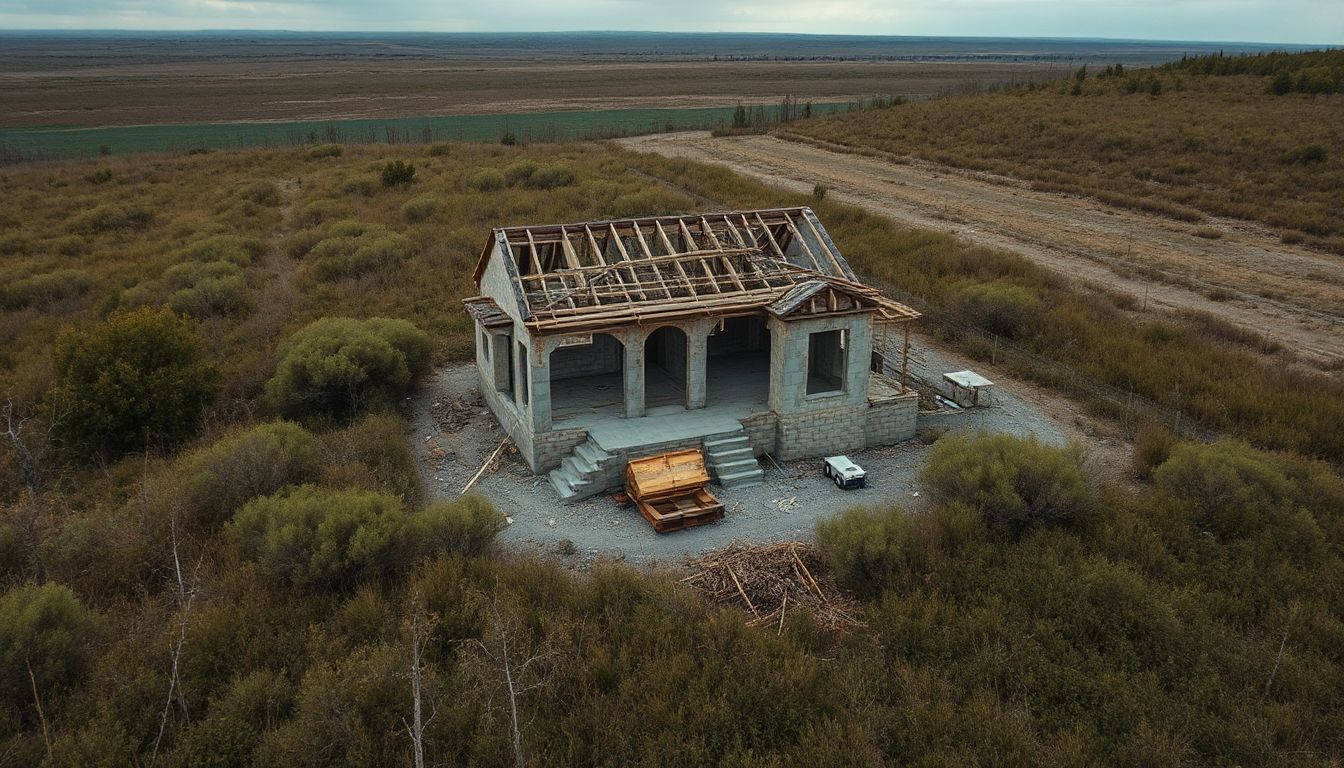
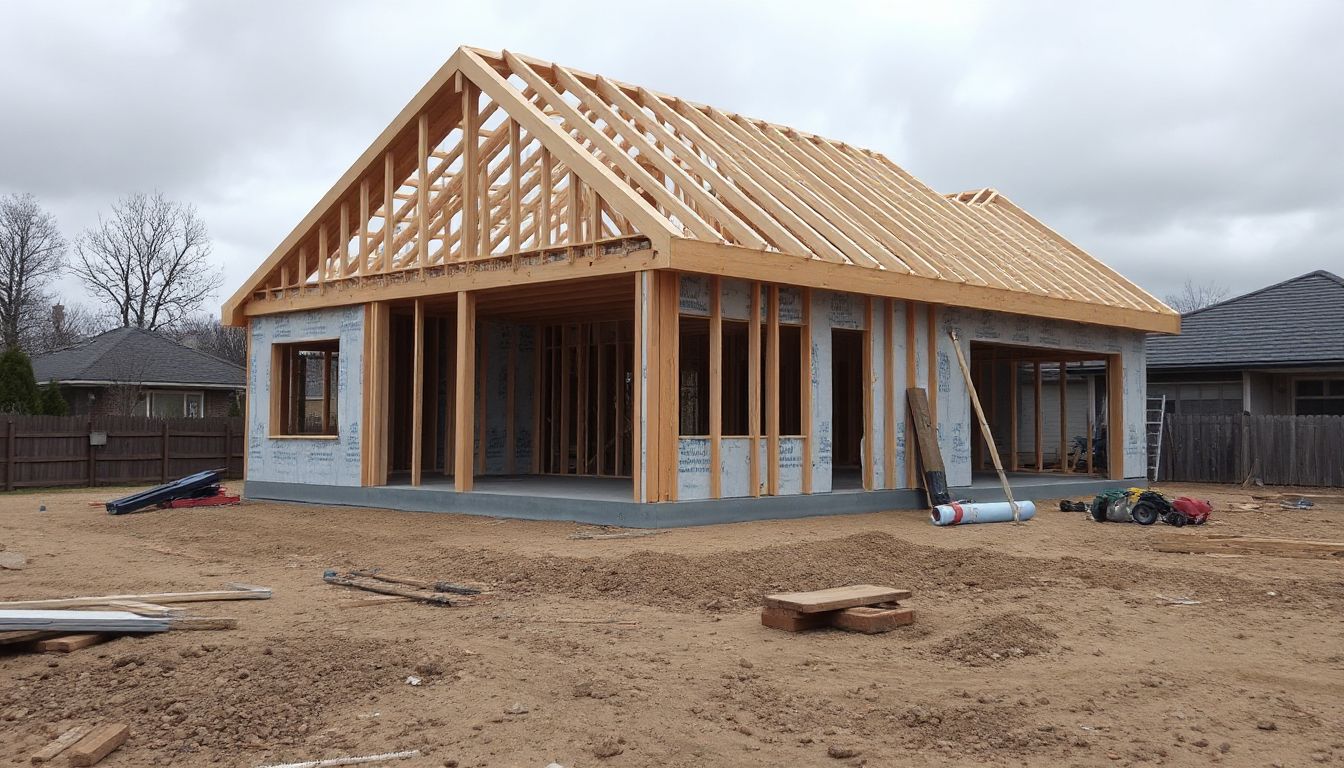
Each stage of building a country cottage is associated with financial risks. Natural disasters, fires, or theft of building materials can destroy the results of many years of work in a matter of hours. Protecting an unfinished project has ceased to be a luxury and has become a mandatory step for any reasonable owner. Understanding how policy prices are determined helps you save money and avoid unpleasant surprises.
Real estate investments require reliable security guarantees from the very beginning. Insurance companies in the Ukrainian market offer a variety of protection plans. Policy costs depend on many factors, which are important to consider in advance. Let's take a closer look at what makes up an insurance budget and how to choose the best rate for your project.
The total cost of materials and labor determines the base cost of an insurance policy. There is a direct proportion: the more expensive your future home, the higher the insurance premium will be. Insurers calculate the payout based on the liability limit. This is the maximum amount the company will pay in the event of damage.
The price is also affected by the deductible. The deductible is the portion of the damage that you pay out-of-pocket. Choosing a high deductible will reduce the cost of the policy itself. However, you will have to pay for minor repairs out-of-pocket.
The choice of materials directly affects the risk of fire or destruction. Brick and concrete houses are considered the safest. Insurance companies readily take them on their balance sheets and offer low rates.
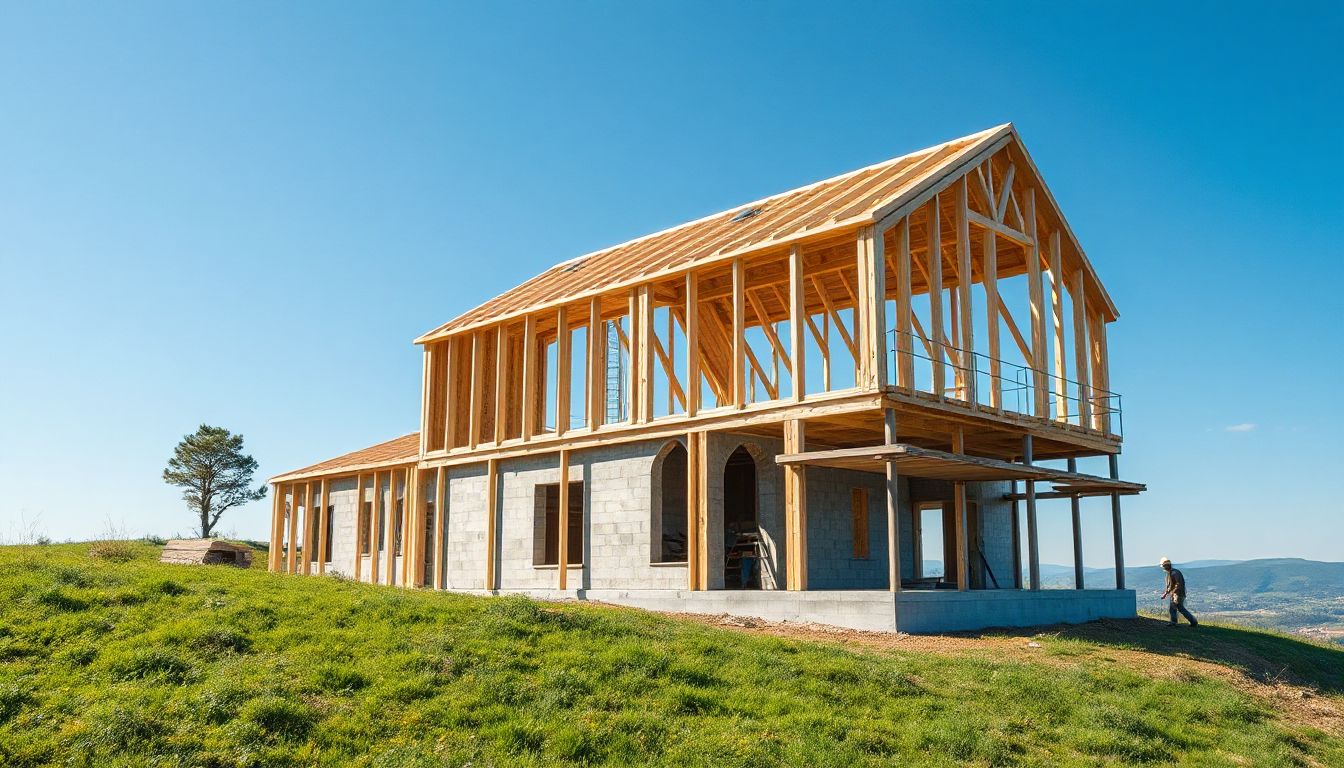
Frame and wood buildings are more expensive to insure. Wood burns quickly, so the risk of total loss increases significantly. For such houses, insurers often require the installation of additional fire suppression systems. Without them, the policy price will increase by several tens of percent.
The basic package usually protects only against natural disasters such as storms or hail. Its price is minimal, but it does not cover most real-life problems at a construction site. An extended policy includes protection against vandalism and burglary.
Some companies even offer insurance against design errors. The more clauses you add to the contract, the higher the final cost of construction insurance in Ukraine. At the rough work stage, it is better to choose the maximum coverage to save the budget from any troubles.
On the Ukrainian market, rates typically range from 0.3% to 1.5% of the insured amount per annum. The exact percentage depends on the reliability of the company and the set of risks.
Let's take as an example a house with an estimated cost of two million hryvnia. If the average rate is 0.5% per annum, then the policy will cost you ten thousand hryvnia. For a property worth several million, this amount seems quite affordable.
It gives peace of mind and a guarantee that construction will not stop due to force majeure.
In spring and summer, activity at construction sites is in full swing. During this time, the risk of damage to materials or equipment is higher due to the large number of workers. Therefore, some companies raise rates during the peak warm season.
In winter, many owners mothball their properties. The risk of theft or accidental damage decreases since no work is being done. Some insurers offer discounts for the winter if the home is well-guarded.
Insurance companies don't like to risk their money and reward owners for safety. If the property has video surveillance or physical security, you will receive a discount.
Water leak detectors and fire alarms can also help reduce costs. Sometimes, installing a simple security system pays for itself by reducing the cost of the annual policy. Require construction workers to maintain order and install cameras before expensive materials are delivered.
The policy covers damage to the walls, foundation, and roof of the house. This is the basis of any construction insurance. However, materials stored outdoors or hidden in trailers are also covered.
If a strong wind scatters blocks or bags of cement are stolen, the company will compensate for the damage. The main condition is that the materials must be carefully stacked and secured according to the rules. Require the contractor to keep strict records of everything brought to the site.
Sometimes work on the site can harm neighbors. For example, heavy equipment can damage someone else's fence or excavation work can undermine a neighbor's foundation. The owner of the construction site will be responsible for compensating for the damage.
Including civil liability in the contract solves this problem. The insurance company will cover the costs of repairing someone else's property. This option is inexpensive, but it saves you from lengthy legal disputes with neighbors.
The current situation in Ukraine dictates new rules for the insurance market. Most standard policies include a clause excluding military risks. Obtaining compensation for damage caused by direct military action is difficult.
Nevertheless, some market players are trying to introduce special products with partial coverage for such threats. Before signing any documents, carefully read the section on force majeure. Clarify all the details with the manager to avoid being left without protection at a critical moment.
To receive payment, you need to clearly record what has already been built. Take detailed photographs of the property from all sides. Keep a log of construction work and save all receipts for the purchase of materials.
The cost estimate must be realistic. If you underestimate the estimate to save money, the payment will be less than the required amount. Record each stage of the construction of walls and foundation in a special report.
Choosing a deductible helps regulate the cost of insurance. A conditional deductible means that you pay for losses less than a certain amount yourself. The deductible is deductible from any payment.
Increasing the deductible from one thousand to five thousand hryvnias significantly reduces the cost of the annual policy. But remember that minor damage will have to be repaired out of pocket. Find a middle ground between the cost of insurance and your savings.
If any damage occurs at a construction site, act quickly and efficiently. First, call the police or the State Emergency Service if there is a fire or theft. Obtain a certificate from them confirming the incident.
Contact your insurance company within the first twenty-four hours. Do not remove debris or begin repairs until an independent expert arrives. Take plenty of clear photos and videos from the scene.
Protecting your future home is worth the money. Get a policy today to protect your savings from any accidental threats at a construction site.
Previous article
Ukrainian Housing Market Trends 2026: How to Profitably Invest in Real Estate Right Now
Next article
Who designs a house map: architects, engineers, and planners
Want to stay up-to-date on all the latest news in construction, design, renovation, and energy efficiency? Subscribe to the Kedr News Telegram channel.
 subscribe