admin
2026-07-01 | 0 comments
Share this:
When you decide to buy or sell an apartment, the first thing you should look at is the year the house was built. This date determines not just the age of the bricks, but how comfortable and safe your life will be. Knowing this indicator, you can predict hidden repair costs and estimate the real value of a property on the Ukrainian market.
The year a house was built dictates the type of materials, the quality of utilities, and the building's compliance with current building codes. In this article, we will examine in detail how this factor shapes the real estate market and how to use it to your advantage.
Accurately determining the completion date of a property is critical for decision making. There are several ways to verify information so as not to rely on the seller's words.
The technical passport of the property is the main document. It always indicates the date the building was commissioned. If the passport is old, the data may be missing or incomplete. In this case, it is worth looking at the certificate of ownership, which often contains the registration history. As a last resort, for older buildings, you can make a request to the state or municipal archives of the city. This takes time, but provides reliable information about the real age of the walls.
If there are no documents, the age can be estimated by external and internal features. The architectural style immediately reveals the era of construction. For example, Stalin-era buildings are easily recognized by their magnificent facades, while panel houses from the 1980s are characterized by their typical, boring forms. The condition of the utilities is also eloquent. Cast iron pipes and aluminum wiring almost always indicate that the house was commissioned before the 1990s. The layout of the apartments also serves as a marker. Tiny kitchens and adjoining rooms are typical of mid-century buildings, while modern properties offer open spaces.
Understanding the period of construction of a building will help you assess risks in advance. Each era in Ukrainian construction had its own quality standards.
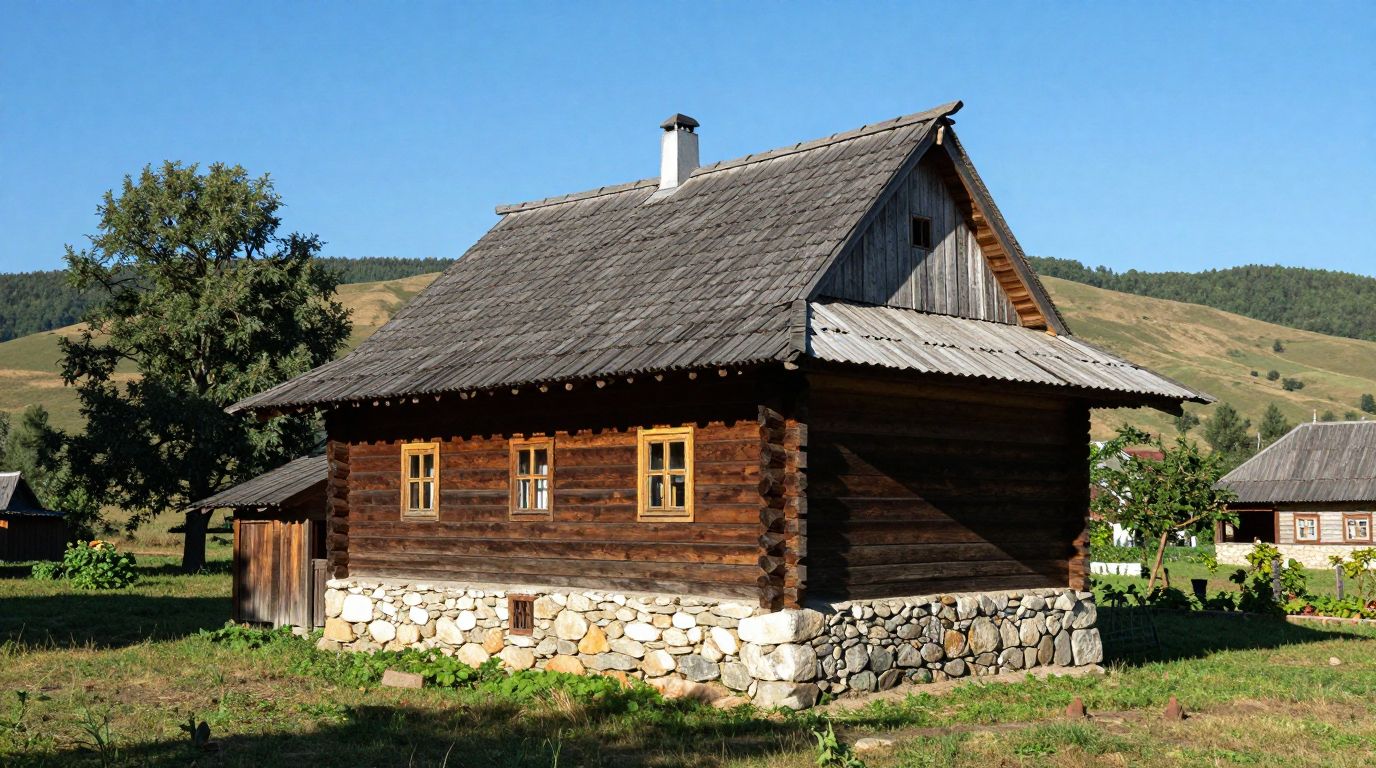
Such buildings are often referred to as old buildings. They were built conscientiously, using thick brick or stone. The walls in such houses retain heat well and provide sound insulation. However, age takes its toll. Foundations often subside, the roof requires constant attention, and utility systems require complete replacement. Buying a property in such buildings is a risk that can pay off if high-quality renovations are carried out. Sometimes these are unique properties that increase in value over time due to their historical value.
Stalin-era buildings, built from the mid-1950s to the 1960s, are considered reliable. They feature high ceilings, solid floors, and spacious rooms. The main problem is the deterioration of heating and water supply systems. Khrushchev-era buildings, which were built en masse in the 1960s and 1970s, were created as temporary housing. They have thin walls, low ceilings, and often inconvenient layouts with combined bathrooms. This is a budget-friendly segment of housing that requires investment in facade insulation and replacement of old utilities for comfortable living.
This period was marked by the mass construction of standard panel series. The main advantage of such buildings is the presence of elevators, garbage chutes, and a fairly well-developed surrounding infrastructure. However, the quality of the panels often leaves much to be desired. Residents' main complaints include cold, poor soundproofing, and leaking interpanel joints. The wiring in such buildings is also often not designed to withstand the modern loads of numerous household appliances.
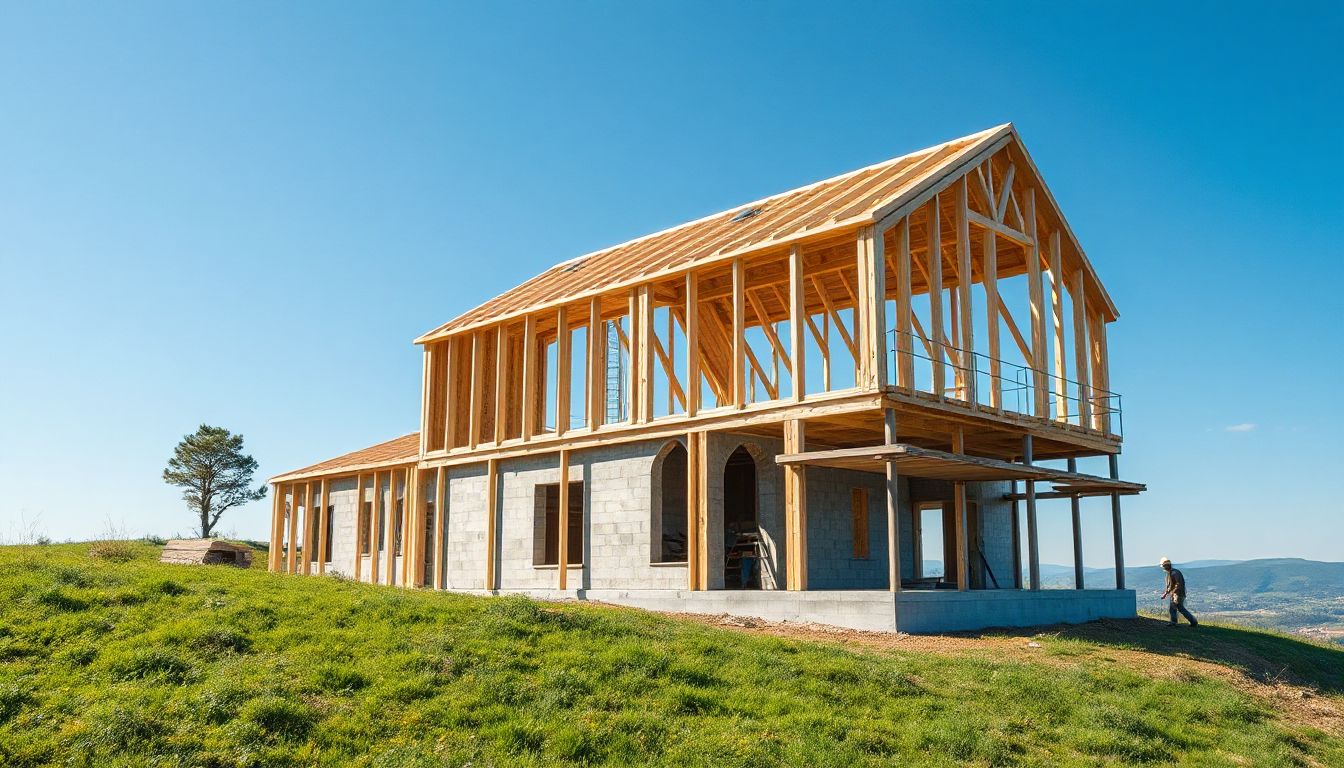
Modern buildings are constructed using different principles. Monolithic frame technology is often used, which allows for remodeling. Developers use modern energy-saving materials, insulate facades, and install independent heating systems. A significant advantage is the infrastructure: underground parking, enclosed courtyards, and new utilities. When purchasing in such buildings, it is important to carefully check the developer's reputation and compliance with commissioning deadlines, as sometimes construction quality is sacrificed for the sake of speed.
The age of a building directly determines how much it is asked for on the market and how quickly it can be sold.
The price per square meter primarily depends on physical depreciation. The older the building, the more funds will be required for major repairs to the utilities, roof, and façade. Therefore, apartments in older buildings are cheaper unless they have historical monument status. Energy efficiency also plays a key role. Modern homes allow you to pay less for heating, which makes them more attractive to buyers. Buildings that comply with current building codes are always valued higher on the market.
Liquidity is the speed of real estate sale. Apartments in buildings from the 2000s and new construction sell the fastest. Buyers value modern amenities, predictable expenses, and comfort. Housing in Khrushchev-era buildings and panel houses from the 1980s is also in demand due to its affordable price, but can be more difficult to sell due to competition from newer properties. Investors planning to rent out their homes often choose modern homes, as they require less maintenance and repair costs.
Using the year of construction information will help you make the right choice or prepare your apartment for sale.
First of all, ask for documents. Check the technical passport and make sure that the year of construction matches the one stated by the seller. When inspecting, pay attention to the entrance hall. A recent renovation in the front hall may conceal problems with the house, but cracks in load-bearing walls are a bad sign. Be sure to assess the condition of the wiring and pipes in the apartment itself. If the house is older, include additional funds in the budget for replacing all engineering systems. Hiring an independent technical expert before the transaction will save you from unpleasant surprises after the purchase.
To increase the appeal of your apartment, be honest. If the house is older, highlight its advantages: thick walls, high ceilings, or a convenient location. Update the technical documentation to avoid unnecessary questions from the buyer. Minor cosmetic repairs, replacing old electrical outlets, or updating the entryway can significantly increase interest in the property. Honestly presenting information about the house's condition builds trust and expedites the transaction.
The year a house was built is a fundamental indicator for any participant in the Ukrainian real estate market. It determines the technical condition, living comfort, and market value of the property. Understanding the specifics of different construction eras allows buyers to choose a safe home, and sellers to adequately value their property. Invest time in researching this aspect before closing. This ensures that your decision is informed, and the property is a successful investment.
Previous article
Smart Homes in Ukraine: A 2026 Real Estate Overview for Beginners
Next article
How to Obtain a Construction Permit in Ukraine in 2026: A Step-by-Step Guide
Want to stay up-to-date on all the latest news in construction, design, renovation, and energy efficiency? Subscribe to the Kedr News Telegram channel.
 subscribe